At the top of the flat, my time is up, and I chuckle at the absurdity of two things while breaking down my rod: First, tight line dry-dropper drop-shot as a thing. And second, why had I never considered it before?
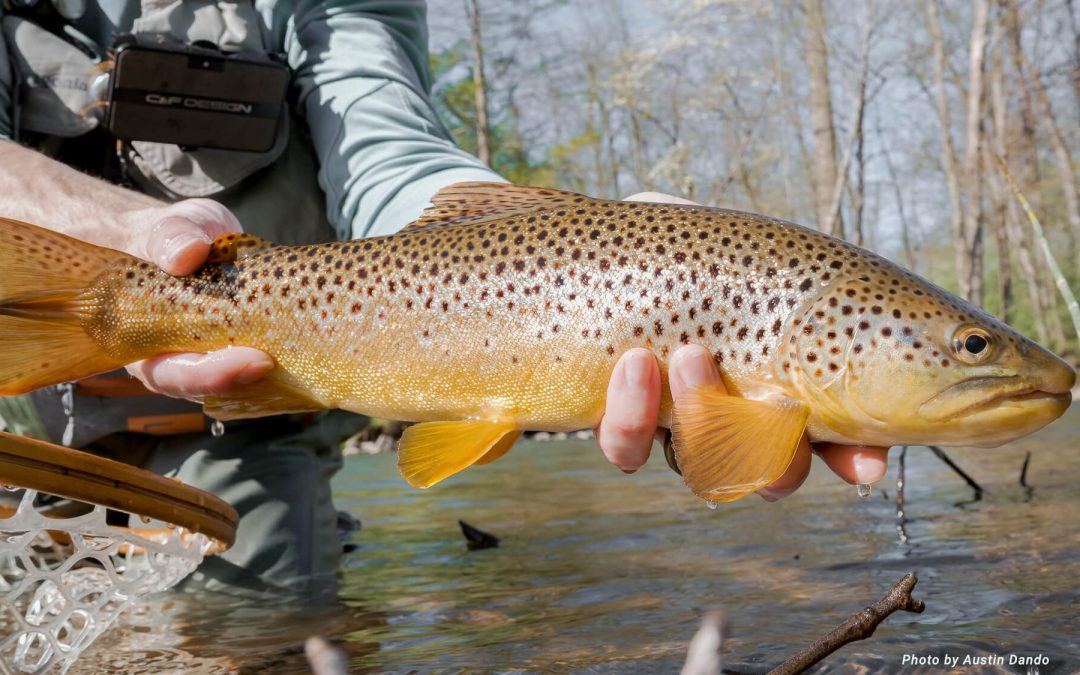


At the top of the flat, my time is up, and I chuckle at the absurdity of two things while breaking down my rod: First, tight line dry-dropper drop-shot as a thing. And second, why had I never considered it before?

I apply Rain-X to all dry flies that leave my vise, if they don’t have CDC. I do the same with my yarn indicators. A simple drop of Rain-X dries completely in a few hours, leaving behind an unseen film of silicone that goes a long way to waterproofing materials for the river. I’m surprised more anglers don’t know about this. And no, Rain-X is not toxic after it dries.
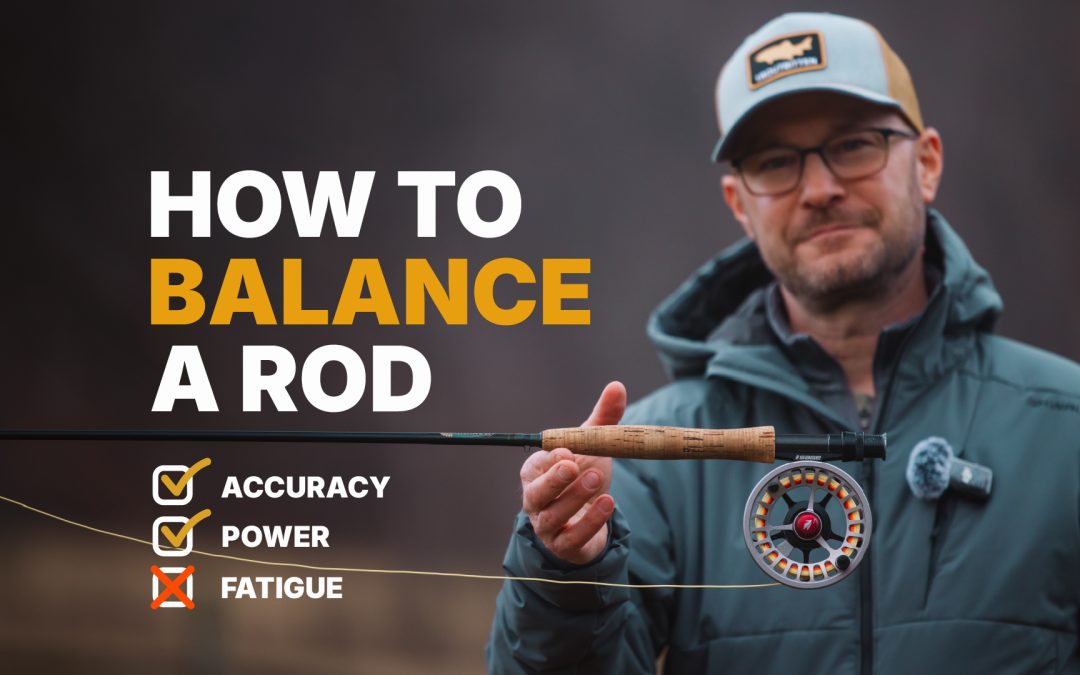
Fly rods were designed and built to be balanced. So a rod and reel in perfect balance is ready for the job, making casting and fishing seem effortless. A well balanced rod feels light in the hand. It feels comfortable, because the muscles in your hand don’t have to struggle or work to keep the rod in place. We’re more in tune with a balanced system, and casting accuracy greatly improves.
So how should we hold the fly rod? Where should the balance point be? And how do we balance the reel with the fly rod? If the balance isn’t right, where can we add weight to the system?
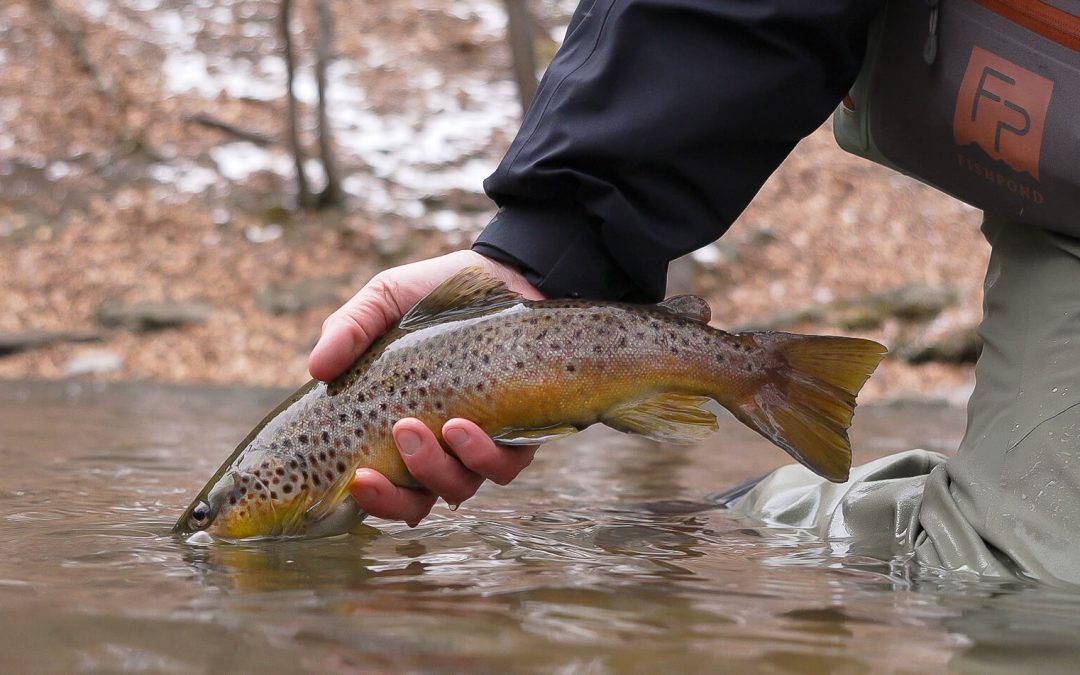
Nymphs and streamers, dead drifts and animation. I settled into a rhythm and covered water, without thinking too much, just enjoying the best winter fishing day of the year.
By that, I mean that things seemed normal, for a change. The weather was cold and windy, creating ice at the edges of the river. The river had its characteristic limestone-green in the deeper parts. And the fish responded well enough to keep things interesting. It was good, hard winter fishing.
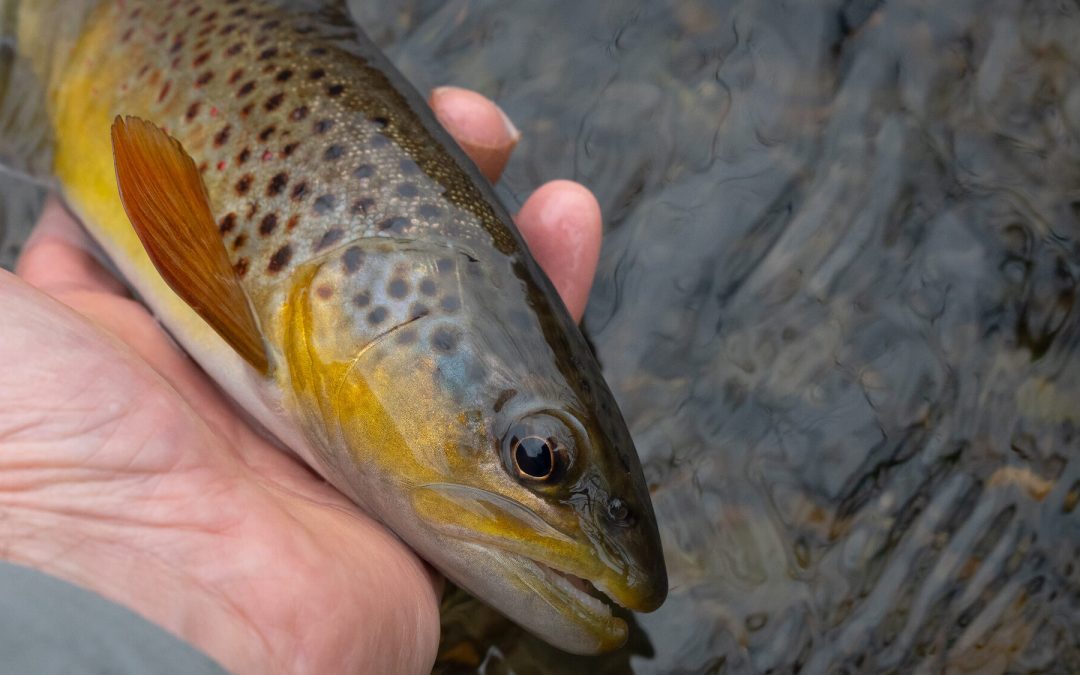
Small nymphs, light split shot and a yarn indy won the day. Some dedicated streamer work got little attention. Trout were mostly shallow.

Nymphing may have technically caught just as many trout, but the process was tedious. Streamers were a better choice, but only because I could cover water and be extremely accurate with the presentations. I placed the fly very close to the structure, over and over, as I worked upstream. Without that accuracy, I think the streamer fishing would have failed.
. . . I’m tired of the low water fishing, but I continue to learn things every day. And that’s good fishing.

“Drought conditions. Pretty low. Lowest I’ve ever seen.” None of these expressions means much, and there’s a wide set of situations where casting a line into skinny water hurts nothing but an angler’s pride. Let’s get to that . . .
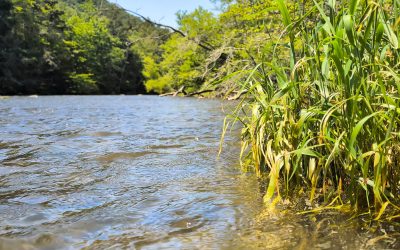
More water means more food and more opportunity for a trout to use the whole river, from bank to bank, for feeding in the drift and for ambushing bigger food forms.
. . . So, fish the edges when big flows are recent. Fish the edges too when water clarity is at its worst, because slow seams near the bank often have the best chance to clear up, as sediment falls out of the current.
. . . However, given high water with decent clarity, I do not fish the edges any more than normal. And during the last few months here, I’ve caught more trout in the main flow than in the bank water.

There’s nobody around for miles, you have every braid and river bend all to yourself, and there’s a real possibility of the biggest fish of your life to the net. The prospects of marginal water are tantalizing. But you have to be willing to cover miles of river, wade the rough stuff and accept a slim fish count, all for the low percentage chance of a couple trout where they aren’t supposed to be. You have to fish hard.
. . . Success on marginal water takes some time and patience to get it right.

How do we fish around midstream rocks? How do we use them to our advantage? Because trout surely use them to their advantage . . .

There may be nothing more misunderstood in the tight line game than floating the sighter. But it’s a great tactic that solves a lot of problems and offers some unique presentations that fool trout.
However, there’s a lot more to floating the sighter than simply laying line on the water. In fact, without a solid understanding of what’s going on, laying the floating the sighter can hurt the presentation . . .