Articles in the Category Big Trout

Can You Force-Feed Trout Big Dries? I Want to Believe

I’ve spent the better part of my summer testing a theory. Will the wild brown trout in my home waters eat a big dry fly? More specifically, will they eat it regularly? And for the trout that do fall for an extra-large fly, is their average size large to match?

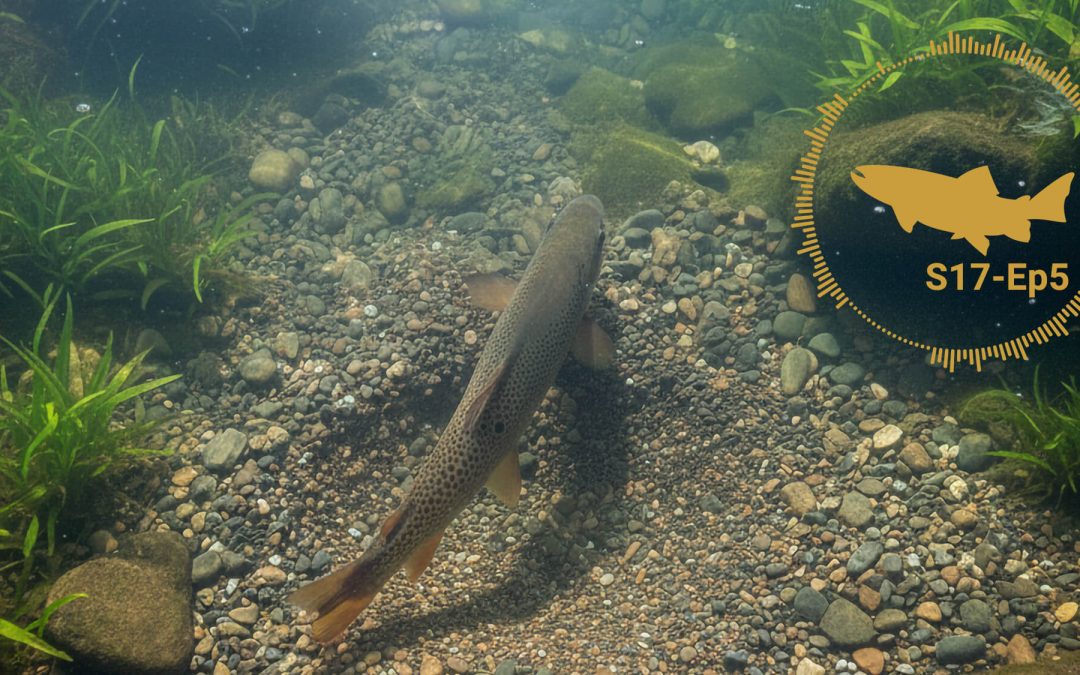
PODCAST: The Spawning Process of Trout (S17, Ep5)

Where, when and how do trout spawn in a river? The spawning process is arguably the most important event of a trout’s life. As long term anglers, we should understand the process — not only because we then know how to give trout their space, but because the process is a fascinating look at a fish that we spend so much time chasing.
PODCAST: What Flies Catch Big Trout?(S17, Ep4)

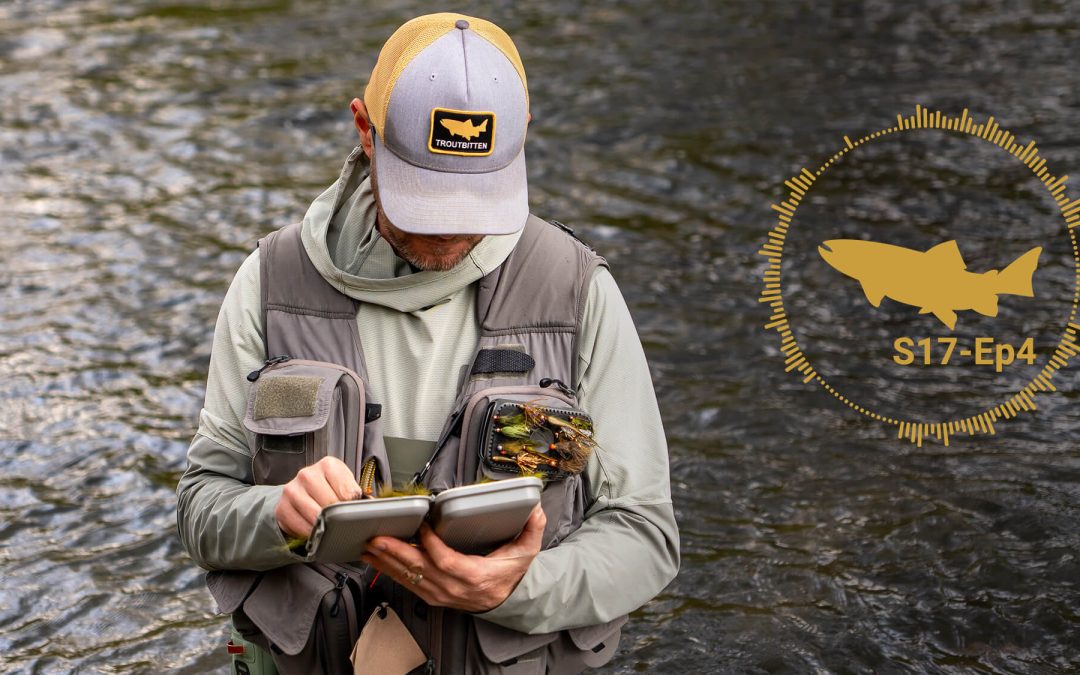
Sometimes, the goal is to catch the biggest trout in the river. In those times, what’s the best fly to choose?

Size, shape, weight, color, flash — whether it’s a dry fly, nymph, wet fly or streamer, what are the qualities of a pattern that we have confidence will interest bigger fish?

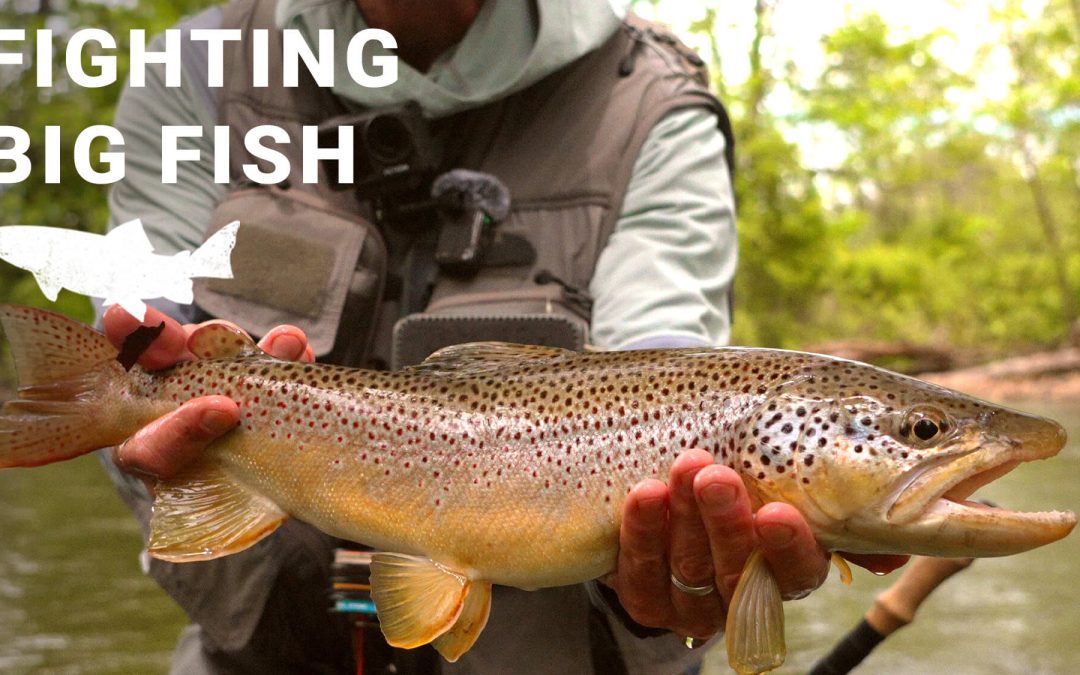
VIDEO/AUDIO: Riverside — Fighting Big Fish — Keep ‘Em Down

A top-tier river trout is a beast. The inherent nature of a river, with the endless obstacles, rocks, tree parts, current breaks, high gradient runs and undercut banks challenges the angler at every bend. So when you finally hook up with a Whiskey, a new game begins. It’s a match up between trout and fisherman. Who will win that fight?

Bringing a trout to the net requires a series of accurate calculations, thoughtful moves and a good dose of luck. But with a few guiding principles and a bit of experience, you can minimize the luck required and get a good handle on the outcome. One of the best of those principles, is to keep ’em down . . .

VIDEO/AUDIO: Riverside — Fighting Big Fish — Keep ‘Em Down

VIDEO/AUDIO: Riverside — Fighting Big Fish — Keep ‘Em Down

A top-tier river trout is a beast. The inherent nature of a river, with the endless obstacles, rocks, tree parts, current breaks, high gradient runs and undercut banks challenges the angler at every bend. So when you finally hook up with a Whiskey, a new game begins. It’s a match up between trout and fisherman. Who will win that fight?

Bringing a trout to the net requires a series of accurate calculations, thoughtful moves and a good dose of luck. But with a few guiding principles and a bit of experience, you can minimize the luck required and get a good handle on the outcome. One of the best of those principles, is to keep ’em down . . .

PODCAST: Why Do Some Rivers Hold Big Trout? — S13, Ep7

PODCAST: Why Do Some Rivers Hold Big Trout? — S13, Ep7

Why do some rivers hold big trout? This is a topic that has come up between all of us on long drives, around the tailgate, and on long walks along the riverbank. Why is it that some rivers just do not have any size to the fish, and then, maybe just the next valley over, not only is the average size larger, but the top tier fish is bigger too?

Thirty-Inch Liars

Thirty-Inch Liars

Every fisherman in the parking lot seems to have a thirty-inch fish story, don’t they?

You know what I hear when someone says a fish was “about two feet long?” I hear: “I didn’t measure the fish.”

Bass guys don’t put up with this stuff. My friend, Sawyer (a dedicated bass and musky guy), is dumbfounded by the cavalier way trout fishermen throw estimates around. In his world, if you didn’t measure it, you don’t put a number on it. They take it seriously. We trout fishermen embarrass ourselves with estimates.

read more
Fighting Big Fish With Side Pressure — What It Is, How To Use It

Fighting Big Fish With Side Pressure — What It Is, How To Use It

The art of a good trout fight is in taking them to the point where we have more control over their body than they do. Side pressure pulls the trout from its lane. While the fish faces the current and tries to hold a seam, side pressure moves that trout from its comfort zone and forces it to work against the force of our bent fly rod — all while keeping the trout low. And while we never want to play a trout to exhaustion, the art of a good trout fight is in taking them to the point where we have more control over their body than they do.

read more
Night Fishing for Trout — Location, Location, Location

Night Fishing for Trout — Location, Location, Location

It took me seasons of trial and error to understand this truth: On some rivers — especially those with larger trout — much of the water after dark is a dead zone. Nothing happens, no matter what flies or tactics you throw at them. Drift or swing big flies or small ones. Hit the banks with a mouse or swing the flats with Harvey Pushers. It doesn’t matter. On most rivers that I night fish, there are long stretches of water that simply won’t produce.

But in these same waters, there are sweet spots to be found — places where the action is almost predictable (by night-fishing standards), where two, three or four fish may hit in the same spot. And then just twenty yards downstream . . . nothing . . .

read more

Pin It on Pinterest