Here are specific strategies for targeting edge water, with footage from two trips — one on small water and one on a larger river. I fish nymphs and streamers, changing frequently to suit the conditions.
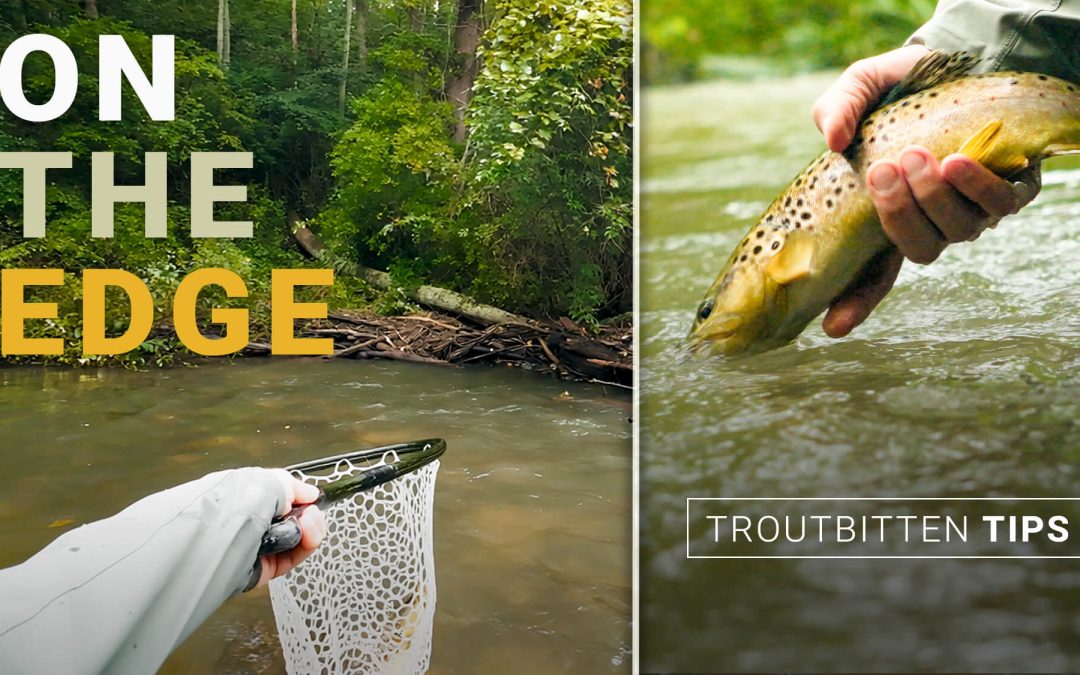


Here are specific strategies for targeting edge water, with footage from two trips — one on small water and one on a larger river. I fish nymphs and streamers, changing frequently to suit the conditions.
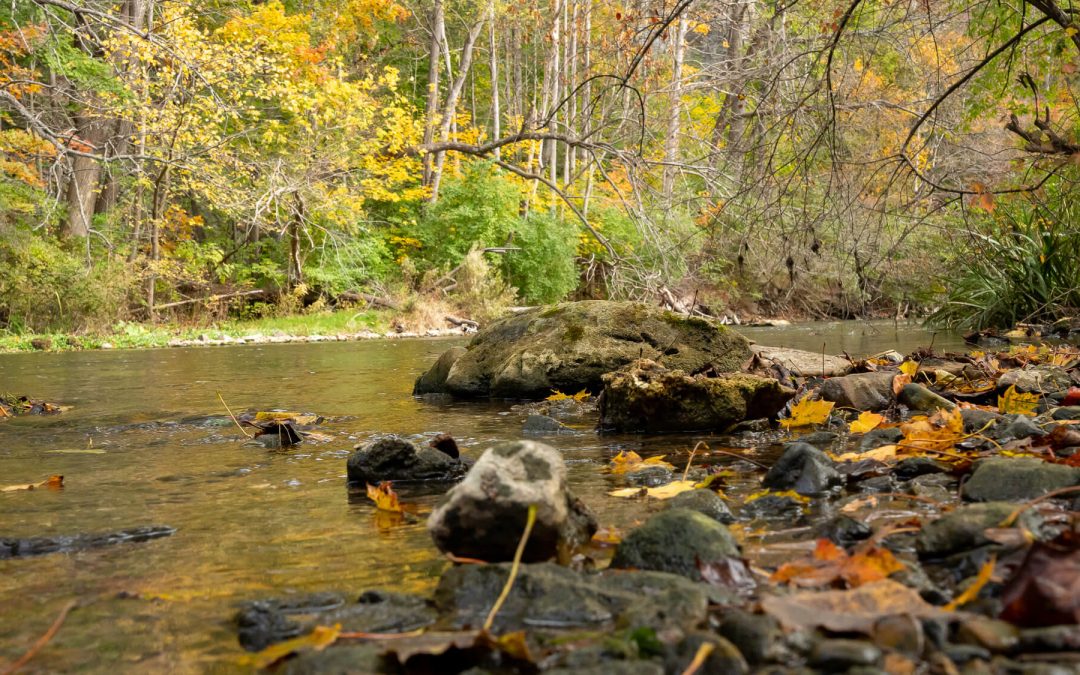
“Drought conditions. Pretty low. Lowest I’ve ever seen.” None of these expressions means much, and there’s a wide set of situations where casting a line into skinny water hurts nothing but an angler’s pride. Let’s get to that . . .

More water means more food and more opportunity for a trout to use the whole river, from bank to bank, for feeding in the drift and for ambushing bigger food forms.
. . . So, fish the edges when big flows are recent. Fish the edges too when water clarity is at its worst, because slow seams near the bank often have the best chance to clear up, as sediment falls out of the current.
. . . However, given high water with decent clarity, I do not fish the edges any more than normal. And during the last few months here, I’ve caught more trout in the main flow than in the bank water.
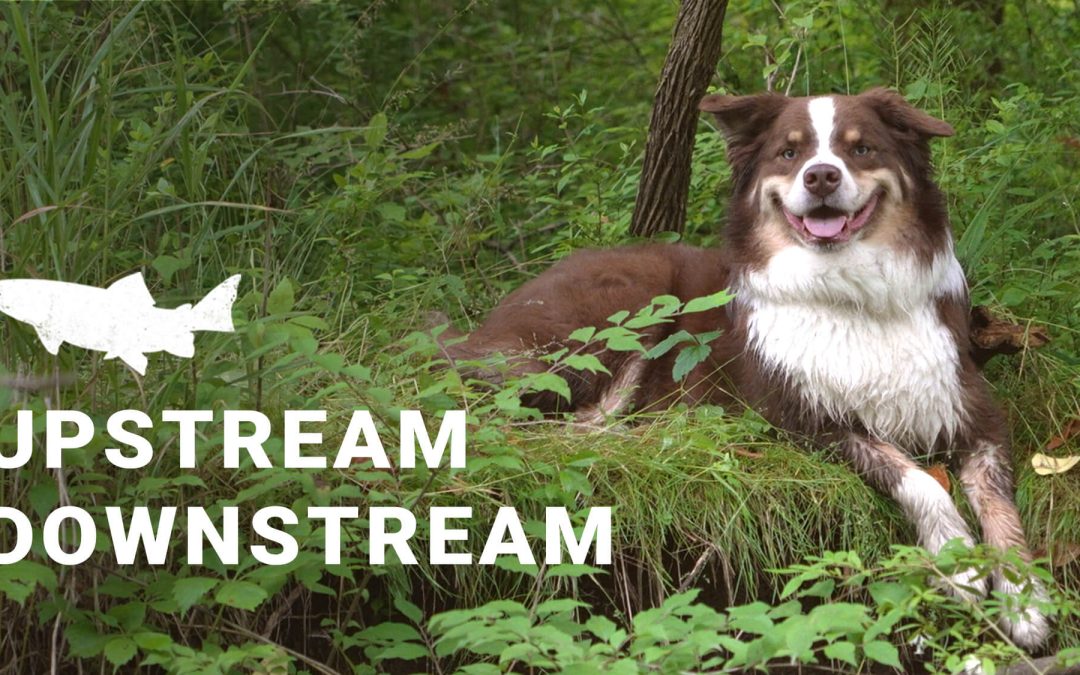
The way you approach the river and the angle that you fish influences everything about the way you present the fly. Should we work upstream or down? The decision should be based on a number of goals and conditions . . .

There’s nobody around for miles, you have every braid and river bend all to yourself, and there’s a real possibility of the biggest fish of your life to the net. The prospects of marginal water are tantalizing. But you have to be willing to cover miles of river, wade the rough stuff and accept a slim fish count, all for the low percentage chance of a couple trout where they aren’t supposed to be. You have to fish hard.
. . . Success on marginal water takes some time and patience to get it right.
Find feeding fish. Find the fishy water. These are the keys to putting trout in the net. But as the seasons change, so do the habits of trout. This film focuses on the shift between summer to fall.
Consistency on the water, day to day, requires an awareness of the shifts that take place, season to season.
Meeting trout in these times of transition takes some forethought and willingness to adapt . . .

The Troutbitten guys are here to talk about two flies. Why do we fish two dry flies, two streamers, wets or nymphs? Why don’t we? Why might we fish with just one fly instead? Multiple fly rigs are a common solution to fishing problems, but extra flies on the line can certainly create more issues than they solve.

Find feeding fish. Find the fishy water. These are the keys to putting trout in the net. But as the seasons change, so do the habits of trout. This film focuses on the shift between summer to fall.
Consistency on the water, day to day, requires an awareness of the shifts that take place, season to season.
Meeting trout in these times of transition takes some forethought and willingness to adapt . . .

Are trout opportunistic feeders? Sure, but it depends on the opportunity. We choose the fly and decide how to present it. We then pick what water will receive the cast. And to inform those decisions, it’s critical to understand what we’re asking the trout to do.
How big of an ask is it?
And how opportunistic do we expect the trout to be?
Here are a few examples . . .

The setup cast keeps you in control on the river. It allows for repositioning and redirecting the line, leader and fly to the next target. The setup cast gives you a chance to regroup and rethink, too. It keeps you in rhythm by keeping you out of trouble and lending new options to an active angler.

When I start wondering why the fishing seems slow, I first check my distance. Have I started creeping the cast too far beyond that perfect baseline? If so, I reel in a couple turns. I wade closer, staying behind the trout and being cautious with my approach.