Articles in the Category Nymphing

PODCAST: The Big Lie of Dry Dropper, S19 – Ep3 (VIDEO and AUDIO)

Dry dropper is great. Just put a nymph under that dry fly and get the best of both worlds. Right? Not so fast . . . The idea that you can have your cake and eat it too — that you’ll get perfect drifts on the dry fly and the nymph — and that you somehow double your chances by dropping a nymph under the dry is not true. This is the big lie of dry dropper fishing.

Here’s the problem: In most cases, neither fly ends up with a great drift. Instead, both flies are compromised and their natural drift is altered.

Where’s My Fly?

Understanding the fly’s position — where it is and where it’s going — is the key challenge in fly fishing. And aside from basic casting skills, an awareness of the fly in the current is the most essential skill.

(VIDEO) Sighter Angles While Tight Line and Euro Nymphing

At what angle should we set the sighter? Should it be vertical? Should it be at a 45? Should it be flatter? And should it stay the same throughout the drift or should it change? While tight line or euro nymphing, you can get excellent dead drifts with any sighter angle if you’re attentive to the details and understand the strengths of all angles. There is no better leading angle. It’s a choice based on preference, skill, objectives and river conditions.

Drifting Light Nymphs

Never forget that it’s all about contact — not all the time, and not so much that you’re moving the nymphs. Perfect tracking is just barely out of contact. And throwing a pile of slack into the water only works when you get lucky.

(VIDEO) Troutbitten Fly Box: Fur Nymphs – Walt’s Worm as a Platform, Blending Dubbing and More

(VIDEO) Troutbitten Fly Box: Fur Nymphs – Walt’s Worm as a Platform, Blending Dubbing and More

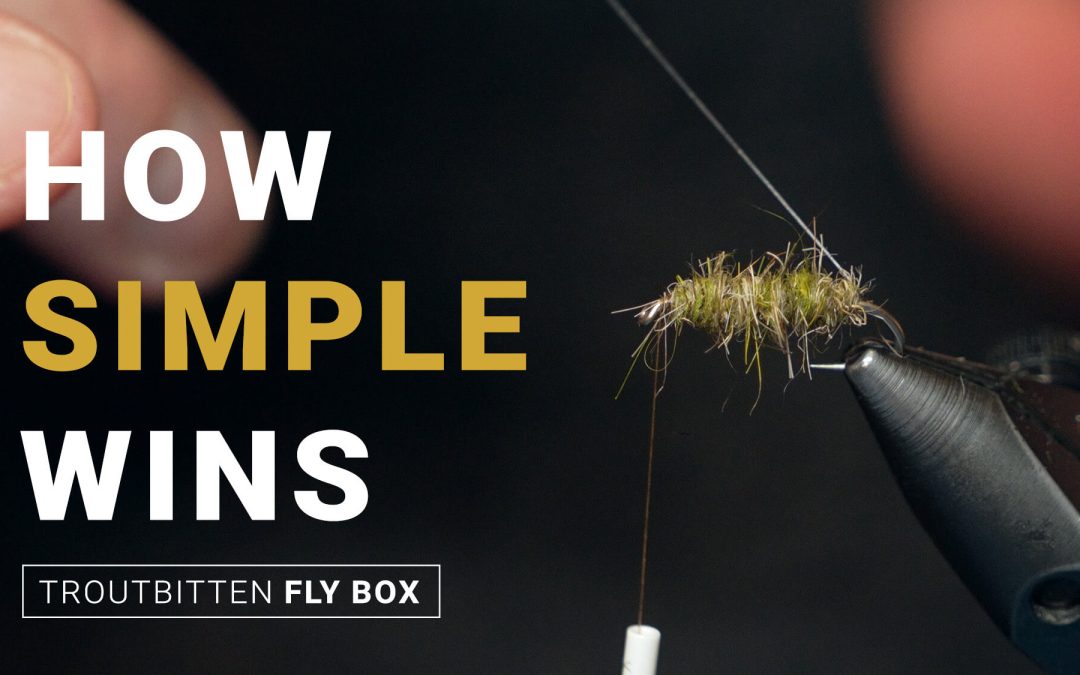
Buggy flies, guide flies, confidence flies: Fur nymphs are all of that. A fur nymph looks alive, and it’s not overdone. It’s just fur on a hook. These flies aren’t very exciting to look at. The material list is slim. And there’s not much to know about tying them. Anglers may be bored with the spartan form, but trout respond to the simplicity. And there’s a lot of inherent attraction in a fur nymph, with very little to turn a trout off.
The Bait and Switch Method — Concept and Rigging

The Bait and Switch Method — Concept and Rigging

We’re told that selective trout eat smaller flies. And I’m convinced that the most pressured trout prefer more natural patterns too. But how can our small non-descript nymph, with no adornments or flashy attractions, possibly stand out enough to convince a trout? How can we make a simple, small fly stand out? Put bait in front of it . . .

Fish and Film – Tight Line to the Indicator Nymphing – Broken Hand Suspenders (VIDEO)

Fish and Film – Tight Line to the Indicator Nymphing – Broken Hand Suspenders (VIDEO)

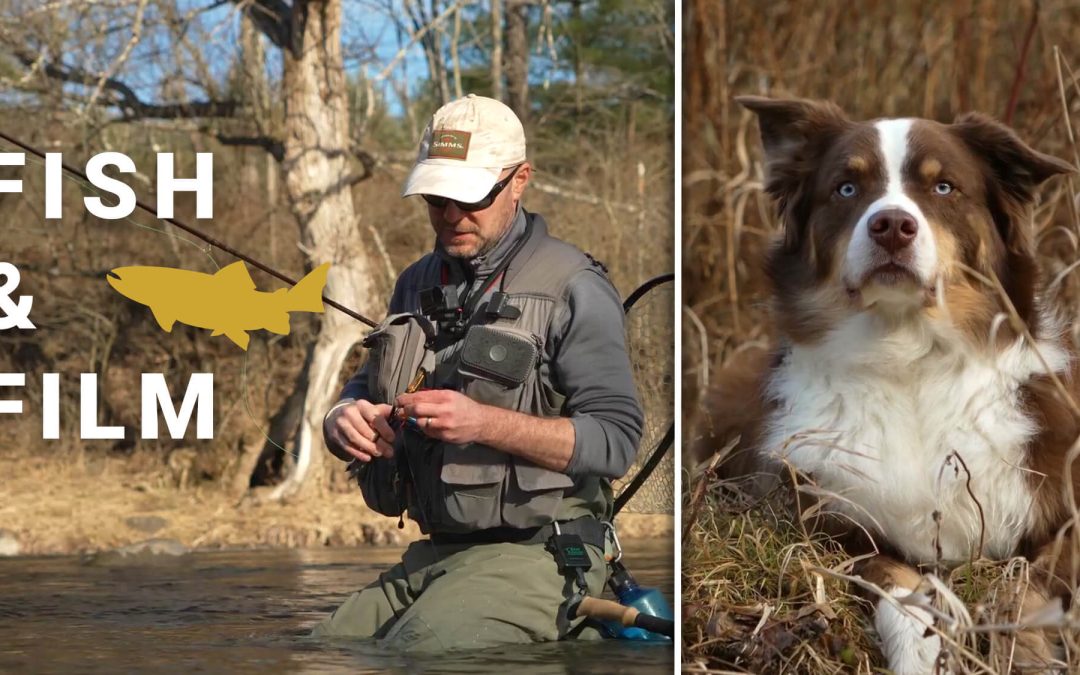
Late summer trout fishing in the Northeast can be challenging. But I’ve had good mornings by choosing cold water and staying open minded to the trout’s patterns and habits. Surprisingly, the best fishing has been found in deep, slow water that still has flow. The dry fly bite has been off, but the nymph fishing has been excellent.

read more
Matching the Hatch with Nymphs?

Matching the Hatch with Nymphs?

Keep it simple, and don’t make too many assumptions about what’s available down below. The bug most visible and available in the air might not be what takes the trout’s attention underneath.

read more
Confidence Flies: Signals and Changes

Confidence Flies: Signals and Changes

Some anglers lend too much credence to the hatch charts for nymph selection. A nymphing angler must be careful not to take every dry fly concept and principle underneath.

Never forget, what you see on the surface or in the air does not necessarily correlate with the best fly choice under the water. Tan Caddis may be all over the water’s surface, but are they easily available as a nymph to the trout right now? We can’t know that for certain, but we can test the theory . . .

read more
Fish and Film — Tight Line Nymphing and Tight Line to the Indicator (VIDEO)

Fish and Film — Tight Line Nymphing and Tight Line to the Indicator (VIDEO)

This third installment of the Fish and Film series highlights the technical aspects of good, adaptive nymphing. It’s a look at a full morning of fishing riffles, runs and flats, while making the necessary and natural changes to find fish.

There are many adjustments along the way. And I comfortably switch between pure tight line tactics and tight line to the indicator style, along with weight adjustments, using both beadhead flies and additional split shot . . .

read more

Pin It on Pinterest