Articles in the Category Nymphing

How to Fish One Fly Rod for Everything — Dries, Streamers, Nymphs and Wets (VIDEO)

I use one fly rod for everything. It doesn’t matter if I’m fishing dry flies, nymphs, wet flies or streamers, the rod I leave the truck with is the rod I’m using all day. If you’re locked into the mindset that you need a bunch of fly rods to fish different tactics and flies, think again. I promise, there’s an easy, efficient, effective way to use one rod for everything.

Nymphs On the Drop (VIDEO)

Sometimes, trout eat nymphs on the drop — as the fly is falling or fluttering to the bottom. And when we recognize that, it’s time to make some adjustments to our rig, the presentation and even the water we choose to fish.

This video shows how I fish for trout when their focus for nymphs is out of the strike zone and above them. I cover tracking the flies, floating the sighter, longer casts, power curves, tuck casts, slack to the nymph, strike detection and more. And I walk through all of this while fishing through a favorite section of river.

Fishing Report — Back to Basics

. . . When the act of fishing becomes something I can really put my finger on to say “Here’s how they’re eating,” I can take that experience into the future, pulling it out to solve a mystery a decade later. The trout hit where they should and how they should, until it became nearly predictable. The casting felt effortless . . . and it felt like home. Anyone who thinks nymphing is inelegant or clunky has not fished this way.
Straight Talk About Competition Nymphing (with VIDEO)

A handful of strict competition rules have been passed on to the whole nymphing community. And maybe that’s not such a good thing.

Fishing Report — Back to Basics

Fishing Report — Back to Basics

. . . When the act of fishing becomes something I can really put my finger on to say “Here’s how they’re eating,” I can take that experience into the future, pulling it out to solve a mystery a decade later. The trout hit where they should and how they should, until it became nearly predictable. The casting felt effortless . . . and it felt like home. Anyone who thinks nymphing is inelegant or clunky has not fished this way.
Tight Line Dry Dropper and Fishing the “Y” (with VIDEO)

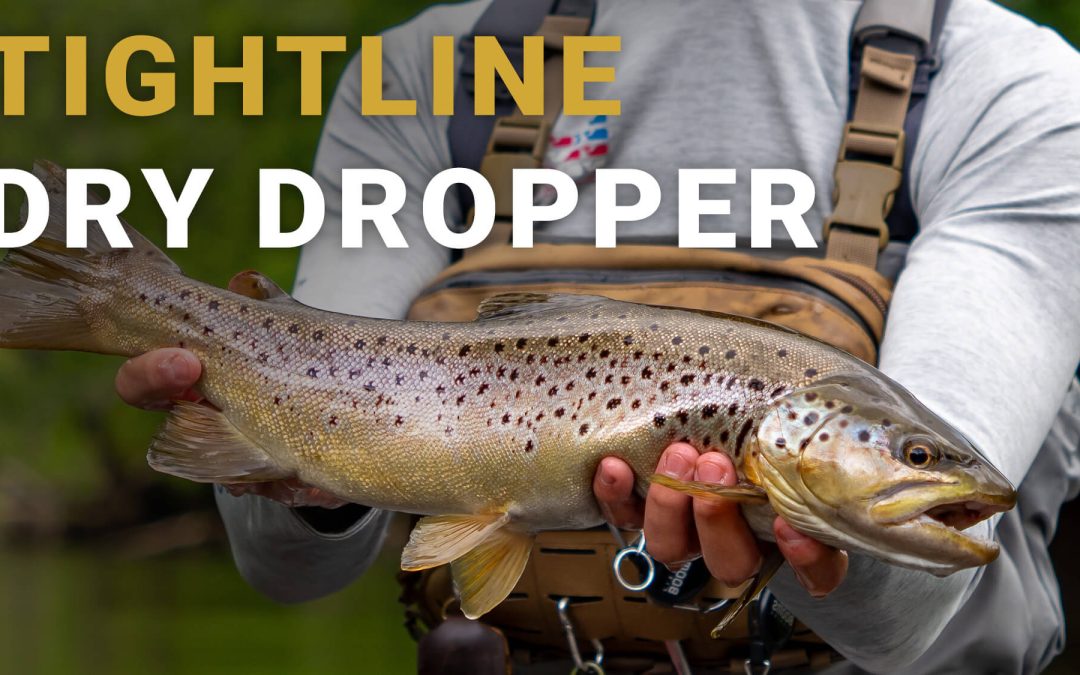
Tight Line Dry Dropper and Fishing the “Y” (with VIDEO)

There’s a lot to be done with this system — many different ways to fish, with presentations that go far beyond what is commonly shown and talked about. This is not Euro dry dropper. And we’re not fishing within the constraints of rules and regulations that stem from the competition scene.

Instead, by taking a broad look at what’s possible with a tight line dry dropper approach, fly choice, leader design, weight position and rigging methods all open up into a set of tactics that are more fun and lead to more trout at the end of the line.

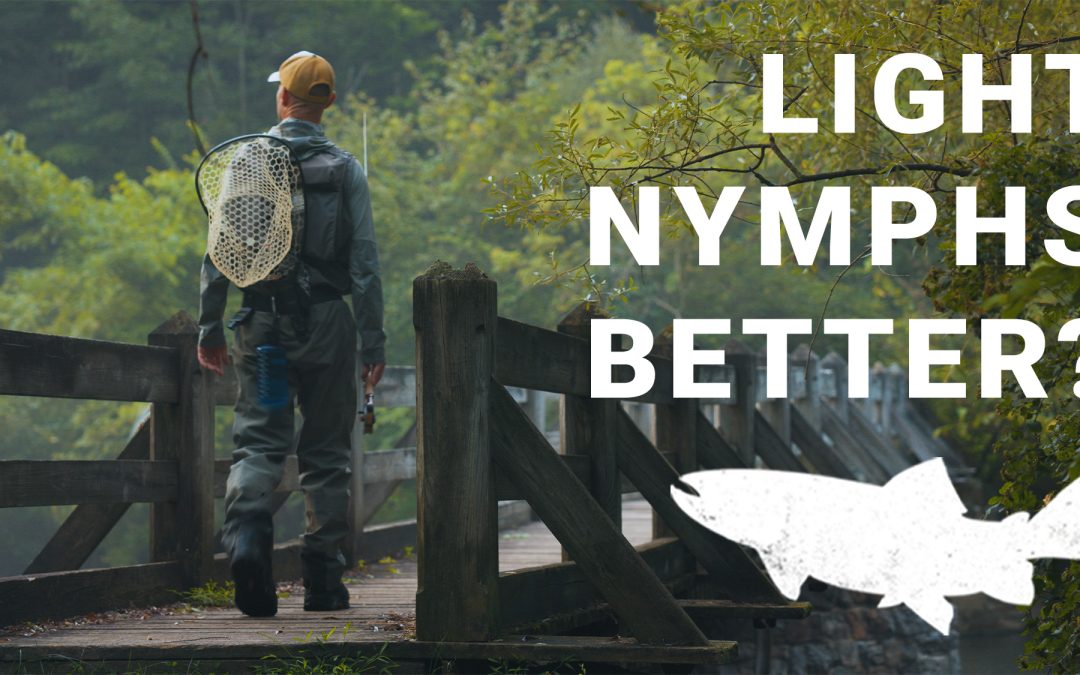
RIVERSIDE (Video and Podcast): Are Light Nymphs More Effective? Is Less Weight More Natural?

RIVERSIDE (Video and Podcast): Are Light Nymphs More Effective? Is Less Weight More Natural?

What’s the nymph really doing under there? How is it affected by the currents? And is the attached tippet dragging the fly unnaturally across, over, up or out of the natural, one-seam drift that our picky trout are waiting for? the current trend for lighter flies and lighter tackle has taken a strong foothold. But just a few years ago, the concept of anchor flies was driving weighty considerations in the opposite direction.

PODCAST: The Big Lie of Dry Dropper, S19 – Ep3 (VIDEO and AUDIO)

PODCAST: The Big Lie of Dry Dropper, S19 – Ep3 (VIDEO and AUDIO)

Dry dropper is great. Just put a nymph under that dry fly and get the best of both worlds. Right? Not so fast . . . The idea that you can have your cake and eat it too — that you’ll get perfect drifts on the dry fly and the nymph — and that you somehow double your chances by dropping a nymph under the dry is not true. This is the big lie of dry dropper fishing.

Here’s the problem: In most cases, neither fly ends up with a great drift. Instead, both flies are compromised and their natural drift is altered.

read more
Where’s My Fly?

Where’s My Fly?

Understanding the fly’s position — where it is and where it’s going — is the key challenge in fly fishing. And aside from basic casting skills, an awareness of the fly in the current is the most essential skill.

read more
(VIDEO) Sighter Angles While Tight Line and Euro Nymphing

(VIDEO) Sighter Angles While Tight Line and Euro Nymphing

At what angle should we set the sighter? Should it be vertical? Should it be at a 45? Should it be flatter? And should it stay the same throughout the drift or should it change? While tight line or euro nymphing, you can get excellent dead drifts with any sighter angle if you’re attentive to the details and understand the strengths of all angles. There is no better leading angle. It’s a choice based on preference, skill, objectives and river conditions.

read more
Drifting Light Nymphs

Drifting Light Nymphs

Never forget that it’s all about contact — not all the time, and not so much that you’re moving the nymphs. Perfect tracking is just barely out of contact. And throwing a pile of slack into the water only works when you get lucky.

read more
(VIDEO) Troutbitten Fly Box: Fur Nymphs – Walt’s Worm as a Platform, Blending Dubbing and More

(VIDEO) Troutbitten Fly Box: Fur Nymphs – Walt’s Worm as a Platform, Blending Dubbing and More

Buggy flies, guide flies, confidence flies: Fur nymphs are all of that. A fur nymph looks alive, and it’s not overdone. It’s just fur on a hook. These flies aren’t very exciting to look at. The material list is slim. And there’s not much to know about tying them. Anglers may be bored with the spartan form, but trout respond to the simplicity. And there’s a lot of inherent attraction in a fur nymph, with very little to turn a trout off.

read more

Pin It on Pinterest