Never forget that it’s all about contact — not all the time, and not so much that you’re moving the nymphs. Perfect tracking is just barely out of contact. And throwing a pile of slack into the water only works when you get lucky.
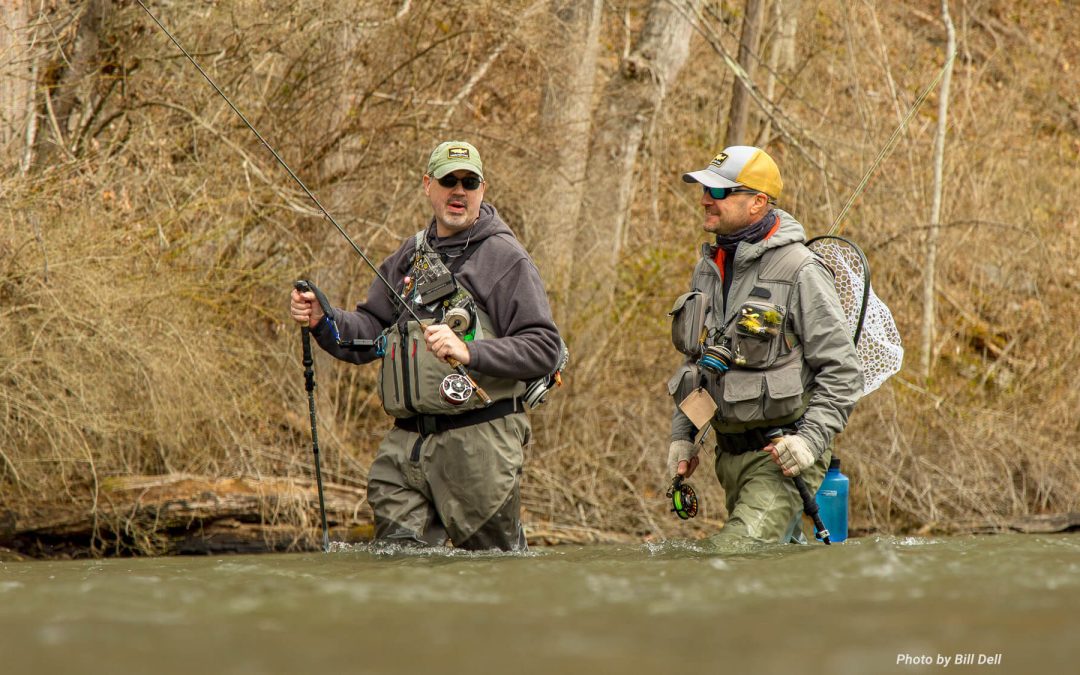


Never forget that it’s all about contact — not all the time, and not so much that you’re moving the nymphs. Perfect tracking is just barely out of contact. And throwing a pile of slack into the water only works when you get lucky.
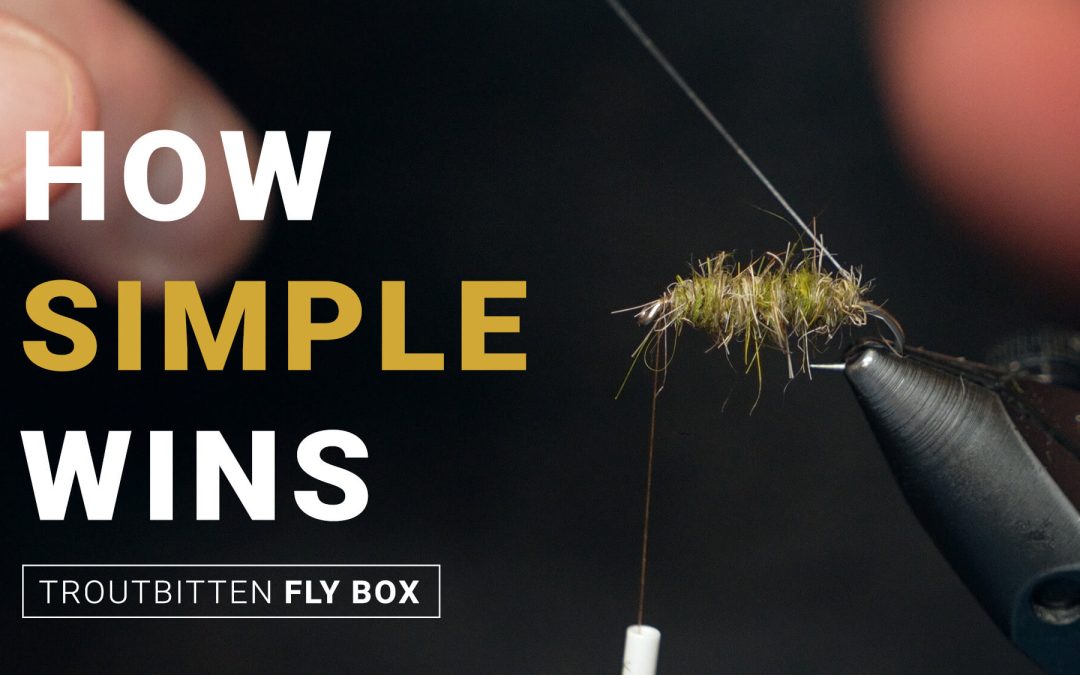
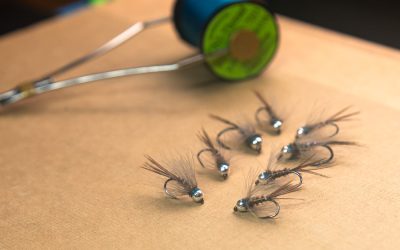
Buggy flies, guide flies, confidence flies: Fur nymphs are all of that. A fur nymph looks alive, and it’s not overdone. It’s just fur on a hook. These flies aren’t very exciting to look at. The material list is slim. And there’s not much to know about tying them. Anglers may be bored with the spartan form, but trout respond to the simplicity. And there’s a lot of inherent attraction in a fur nymph, with very little to turn a trout off.
Fishing is a story . . . On a warm winter day, I fished the buckets, because that’s where the trout were. Stick and move. That’s the game of shooting fish in a barrel.
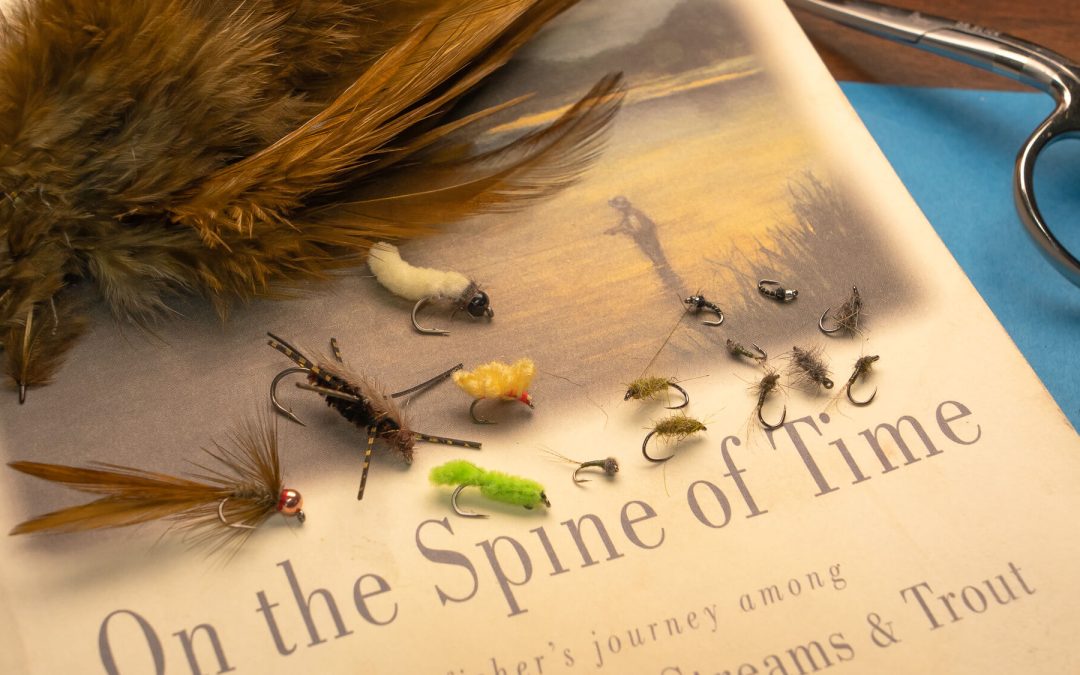
We’re told that selective trout eat smaller flies. And I’m convinced that the most pressured trout prefer more natural patterns too. But how can our small non-descript nymph, with no adornments or flashy attractions, possibly stand out enough to convince a trout? How can we make a simple, small fly stand out? Put bait in front of it . . .

The Troutbitten Shop Early Winter Sale ’25 is here, with all leaders, hats, stickers and apparel back in stock.

Late summer trout fishing in the Northeast can be challenging. But I’ve had good mornings by choosing cold water and staying open minded to the trout’s patterns and habits. Surprisingly, the best fishing has been found in deep, slow water that still has flow. The dry fly bite has been off, but the nymph fishing has been excellent.

The Troutbitten Shop Spring Sale ’25 is here, with all leaders, hats, stickers and apparel back in stock.

Keep it simple, and don’t make too many assumptions about what’s available down below. The bug most visible and available in the air might not be what takes the trout’s attention underneath.
Some anglers lend too much credence to the hatch charts for nymph selection. A nymphing angler must be careful not to take every dry fly concept and principle underneath.
Never forget, what you see on the surface or in the air does not necessarily correlate with the best fly choice under the water. Tan Caddis may be all over the water’s surface, but are they easily available as a nymph to the trout right now? We can’t know that for certain, but we can test the theory . . .
The Troutbitten Shop Winter Sale ’24 is here, with all leaders, hats, stickers and apparel back in stock.

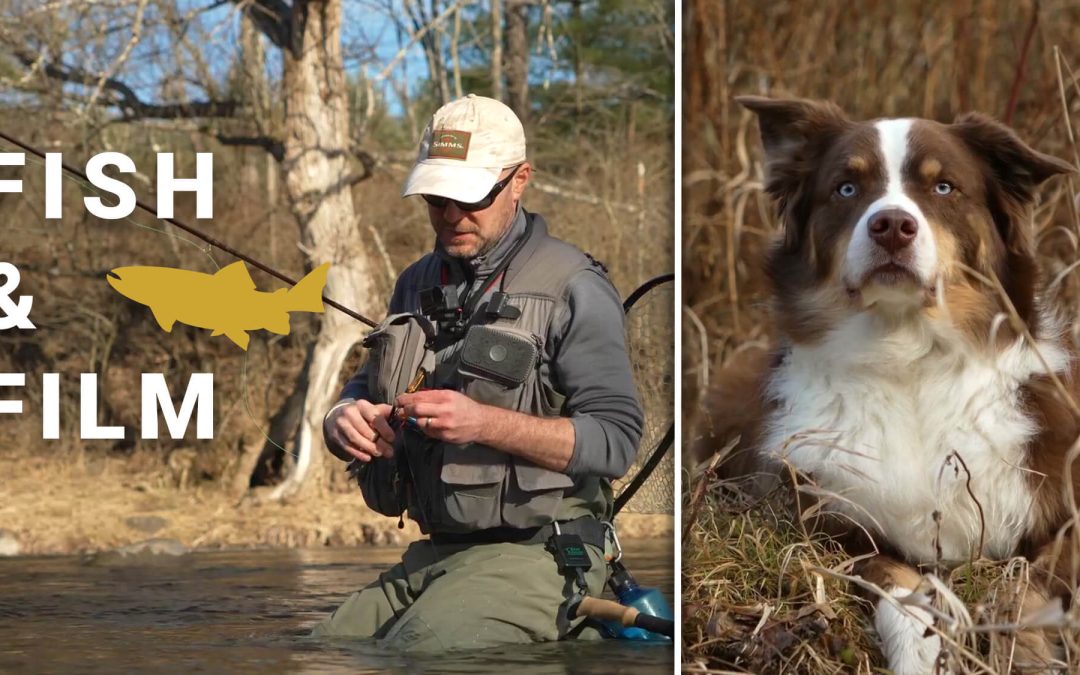
This third installment of the Fish and Film series highlights the technical aspects of good, adaptive nymphing. It’s a look at a full morning of fishing riffles, runs and flats, while making the necessary and natural changes to find fish.
There are many adjustments along the way. And I comfortably switch between pure tight line tactics and tight line to the indicator style, along with weight adjustments, using both beadhead flies and additional split shot . . .