Search Month: January 2026

Bob’s Fly Casting Wisdom

In my early twenties I drove a delivery van for a printing company while finishing the last few semesters of my English degree. Life was pretty easy back then, and I spent much of my leisure time playing guitar and fishing small backcountry streams for wild trout. It was a tight-quarters casting game. And making the transition from the five-foot spinning rod of my youth to a much longer fly rod gave me some trouble. Until, that is, I received one of the simplest and most transformative pieces of fly fishing advice . . .

How to Easily Avoid the Mono Rig Coiling Problem

Monofilament fishing line tends to hold the curves of its home. Whatever spool it’s stored on, it peels off in roughly the same diameter as that housing. All monofilament has this tendency, but some brands hold their memory much more than others. This line memory — this line coiling — is a problem. But the fix is very simple . . .

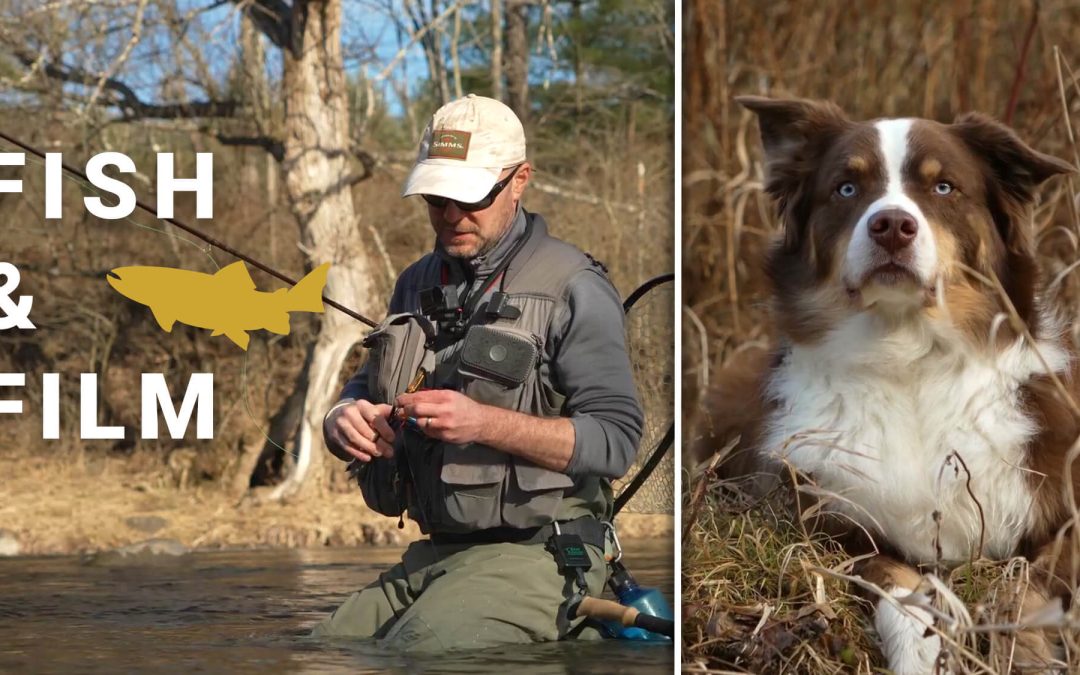
Fish and Film – Fish In a Barrel (VIDEO)

Fishing is a story . . . On a warm winter day, I fished the buckets, because that’s where the trout were. Stick and move. That’s the game of shooting fish in a barrel.

A (Nearly) Comprehensive List of Fishermen’s Excuses

Fishermen are full of excuses for failure — because we get a lot of practice at not catching fish. Mostly, Troutbitten is here to share better ways to catch trout, but here’s a big list of explanations for when you don’t. Why’d you take the skunk? This list of reasons will help explain it all away.

These excuses can roughly be grouped into three classes:

Conditions — where you blame the weather or the water.
Fish’s Fault — where you blame the fish for not eating your flies.
I Wasn’t Really Trying — these excuses are centered around the inference that if you really wanted to, you could have caught more trout . . .

How to Easily Avoid the Mono Rig Coiling Problem

How to Easily Avoid the Mono Rig Coiling Problem

Monofilament fishing line tends to hold the curves of its home. Whatever spool it’s stored on, it peels off in roughly the same diameter as that housing. All monofilament has this tendency, but some brands hold their memory much more than others. This line memory — this line coiling — is a problem. But the fix is very simple . . .

A (Nearly) Comprehensive List of Fishermen’s Excuses

A (Nearly) Comprehensive List of Fishermen’s Excuses

Fishermen are full of excuses for failure — because we get a lot of practice at not catching fish. Mostly, Troutbitten is here to share better ways to catch trout, but here’s a big list of explanations for when you don’t. Why’d you take the skunk? This list of reasons will help explain it all away.

These excuses can roughly be grouped into three classes:

Conditions — where you blame the weather or the water.
Fish’s Fault — where you blame the fish for not eating your flies.
I Wasn’t Really Trying — these excuses are centered around the inference that if you really wanted to, you could have caught more trout . . .

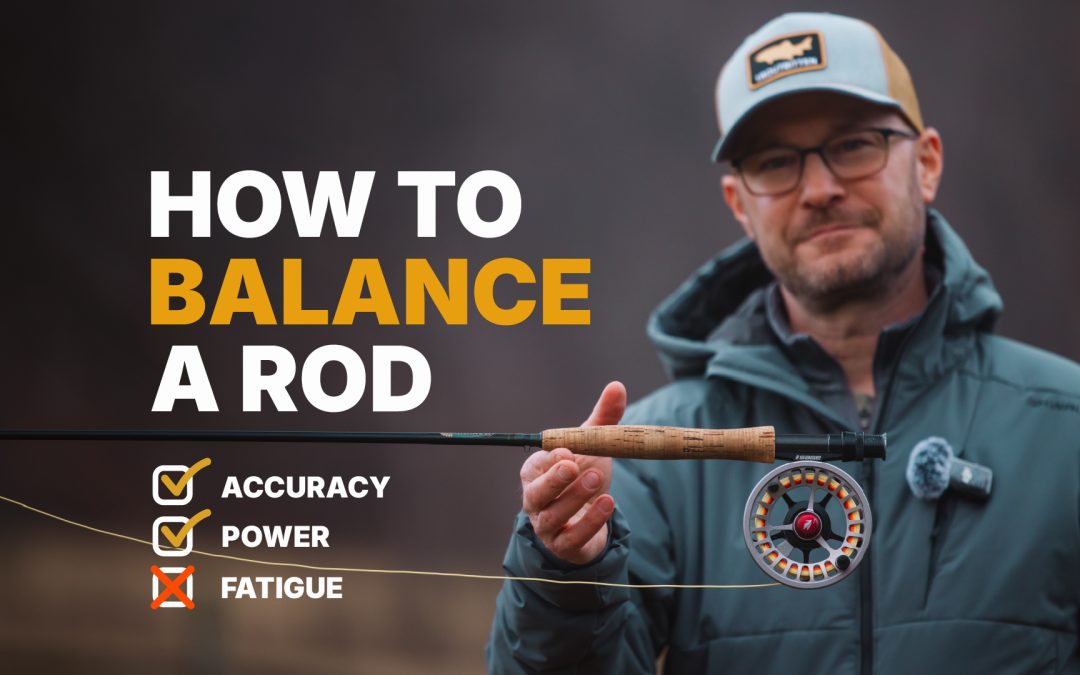
VIDEO: How to Balance a Fly Rod — And Why It Matters

VIDEO: How to Balance a Fly Rod — And Why It Matters

Fly rods were designed and built to be balanced. So a rod and reel in perfect balance is ready for the job, making casting and fishing seem effortless. A well balanced rod feels light in the hand. It feels comfortable, because the muscles in your hand don’t have to struggle or work to keep the rod in place. We’re more in tune with a balanced system, and casting accuracy greatly improves.

So how should we hold the fly rod? Where should the balance point be? And how do we balance the reel with the fly rod? If the balance isn’t right, where can we add weight to the system?

Find Your Rhythm

Find Your Rhythm

With confusion and some sense of despair, I wondered what was wrong with my presentation? What else could I adjust to convince these trout?

Then it hit me. I was fishing hard, but I was hardly fishing. With all of those changes, I’d had no rhythm. I’d been inefficient and had struggled for consistency . . .

The Bait and Switch Method — Concept and Rigging

The Bait and Switch Method — Concept and Rigging

We’re told that selective trout eat smaller flies. And I’m convinced that the most pressured trout prefer more natural patterns too. But how can our small non-descript nymph, with no adornments or flashy attractions, possibly stand out enough to convince a trout? How can we make a simple, small fly stand out? Put bait in front of it . . .

read more
Fly Fishing in the Winter — Something is Always Gonna Hurt

Fly Fishing in the Winter — Something is Always Gonna Hurt

Sure, sunny winter days invite the fair weather angler who dabbles in the extended season. But stack up the wind, snow, dark clouds and cooling temperatures, and what it takes to overcome these elements becomes more than most fishermen are willing to sustain. Because even if you’re dressed perfectly, something is gonna hurt . . .

read more
Fishing Report — Nymphs and Streamers in Rhythm

Fishing Report — Nymphs and Streamers in Rhythm

Nymphs and streamers, dead drifts and animation. I settled into a rhythm and covered water, without thinking too much, just enjoying the best winter fishing day of the year.

By that, I mean that things seemed normal, for a change. The weather was cold and windy, creating ice at the edges of the river. The river had its characteristic limestone-green in the deeper parts. And the fish responded well enough to keep things interesting. It was good, hard winter fishing.

read more

Pin It on Pinterest