Swinging is arguably the easiest presentation on a streamer. That also might make it the most relaxing. It’s a great way to cover a lot of water, and it’s an easy way to stay in rhythm. But there are some downsides too.
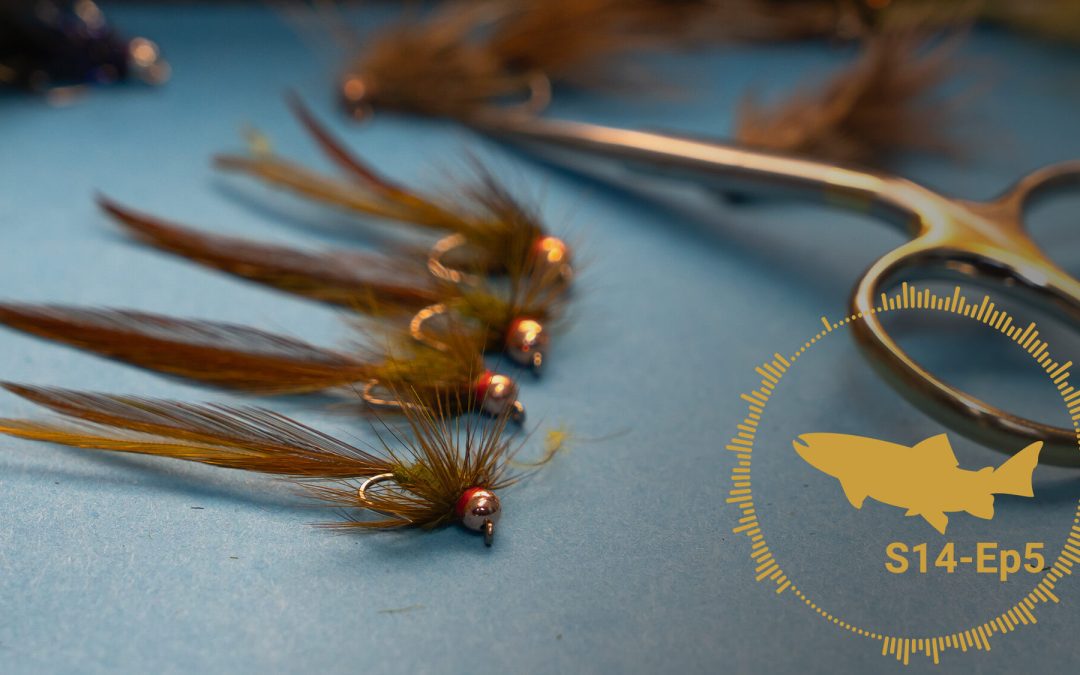


Swinging is arguably the easiest presentation on a streamer. That also might make it the most relaxing. It’s a great way to cover a lot of water, and it’s an easy way to stay in rhythm. But there are some downsides too.

Success begins with how we approach the water and with the angles we choose to fish, because the tight line advantage falls apart if we’re not in the best position for great drifts.
These nine essential skills are the baseline for dead drifting nymphs with a tight line. These are the necessary fundamentals. We fish many different tactics and fly styles on a Mono Rig, tight line system, but it all starts here. These skills set the foundation for everything else that is possible.

When is a fly original enough to deserve its own name? And do a few material changes result in a new fly, or is it the bastardization of an existing pattern?
I think there’s a genuine desire on the part of many fly tyers to get this right. We want to give credit for inspiration, and we know that all good ideas stem from somewhere. At the same time, we’re proud of the material or form changes we’ve made that catch more fish in our own rivers. And sometimes those innovations define a genuinely new fly pattern, so they deserve a unique name . . . . .
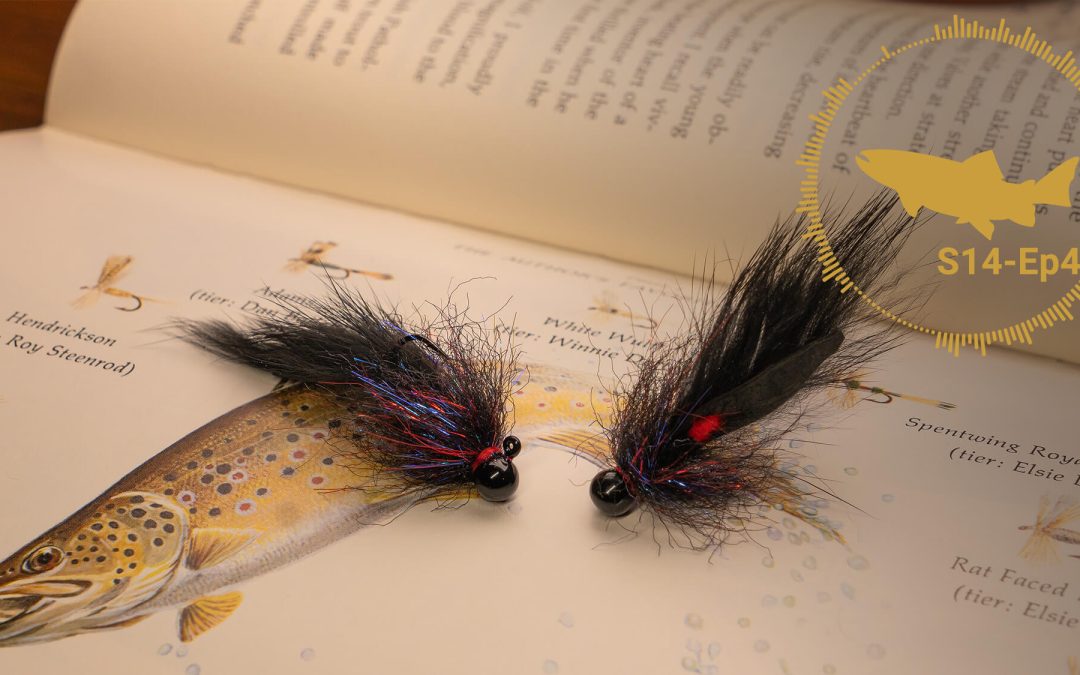
Streamer fishing is best when we actively and intentionally move the fly. But with glides and slides, our animations are often subtle, because sometimes these are the most natural or convincing looks . . .
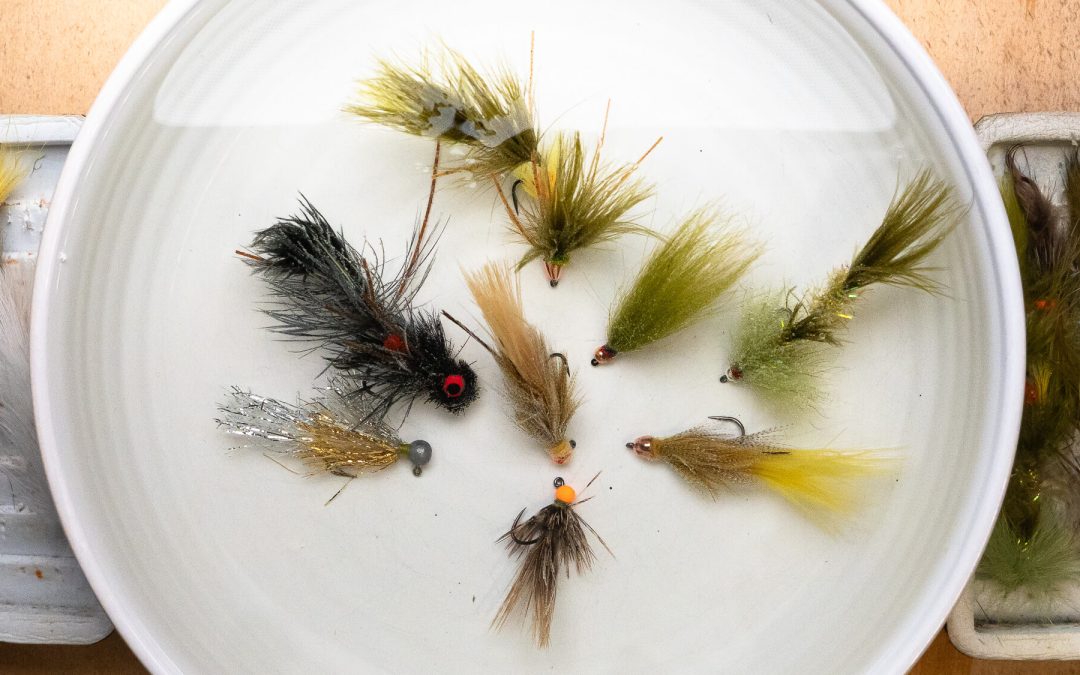
I think drop rate is the most important quality of a streamer. I believe how fast a fly falls is the biggest factor in its performance, because drop rate affects everything else about how we might move the fly.
Weight is easily measurable, so it’s a comfortable quality to talk about and compare. Drop rate can be measured, but it’s not easy. And I don’t know many anglers who know the ips rating (inches per second) for their streamers. But maybe we should . . .

The Head Flip is a pivot. It’s a simple change of the streamer’s head angle, from down and across to up and across, or from upstream to downstream. This pivot doesn’t necessarily move the fly out of its area, but the motion might seem pretty dramatic to a trout. The Head Flip shows trout an opportunity for an easy meal, and it might signal a moment of vulnerability. It’s one of our favorites animations to a streamer.

Being a versatile angler comes down to changing things. And on the river, that means tying knots. Good anglers need the facility to tie knots, with ease. This is my best advice for tying quick, clean, strong knots.

The ability to move the fly with the rod tip and not just the line hand is a fundamental skill that opens creative options for every streamer angler.
Almost two decades ago, Kelly Galloup’s first streamer book changed the way anglers thought about moving a streamer. All these years later, the jerk strip isn’t just one way to move the streamer. It’s a technique for using both hands, in concert, synchronized, for presentations that are impossible to achieve any other way.
Move the fly with the rod tip and then recover with the line hand. In this way, the Jerk Strip sets the table for everything else to follow in this Troutbitten Skills Series on Streamer Presentations . . .