Articles With the Tag . . . tight line nymphing

(VIDEO) Sighter Angles While Tight Line and Euro Nymphing

At what angle should we set the sighter? Should it be vertical? Should it be at a 45? Should it be flatter? And should it stay the same throughout the drift or should it change? While tight line or euro nymphing, you can get excellent dead drifts with any sighter angle if you’re attentive to the details and understand the strengths of all angles. There is no better leading angle. It’s a choice based on preference, skill, objectives and river conditions.

Troutbitten Shop Early Winter Sale ’25 — All Leaders, Hats, Stickers and Apparel In Stock On Monday, Dec 1st

The Troutbitten Shop Early Winter Sale ’25 is here, with all leaders, hats, stickers and apparel back in stock.

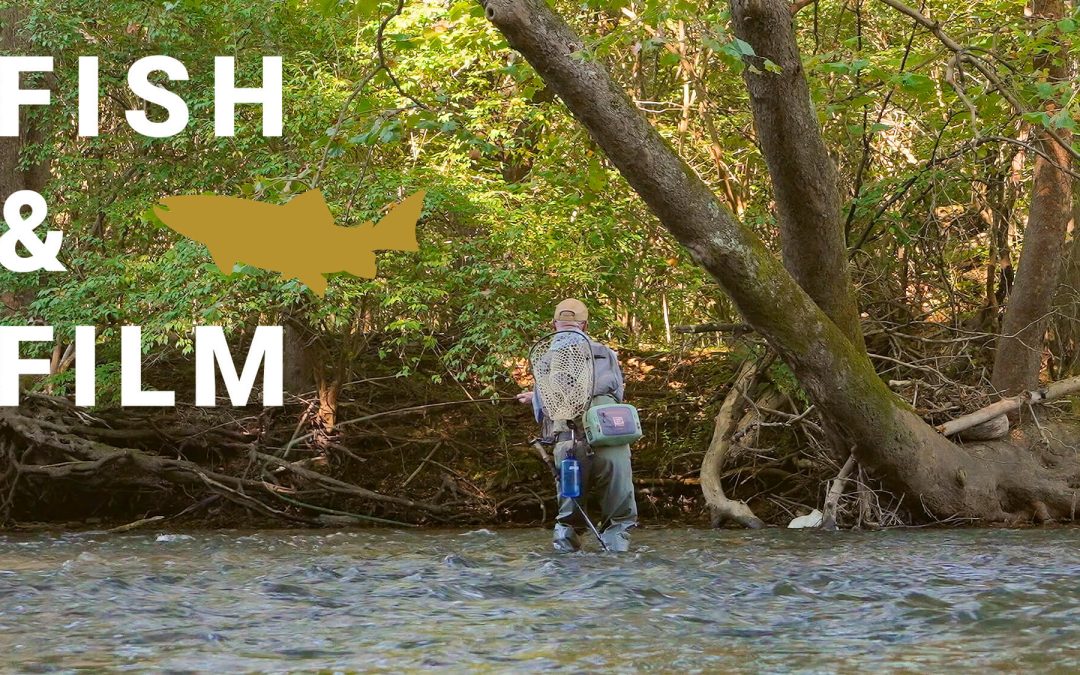
Fish and Film – Skinny Water Nymphing (VIDEO)

Fishing is a story . . . During some of the lowest water I’ve seen in our area, I chose to nymph the skinny stuff on a tight line. But instead of fishing fine and far off, I started with a drop shot of medium weight. Later, I mixed in a tracking approach with a single, light nymph. A couple hours in, I streamer fished a long flat, to test the trout’s response. And I finished the morning with some nice trout that responded to nymphs in the strike zone . . .

Fish and Film – Home Base (VIDEO)

Fishing is a story . . . I’ve fished all of my favorite rivers from their mouths to their headwaters. And within those mile of opportunity, my favored spots keep calling me back. I fish these places for a hard reset, for a return to home base — for getting back to the familiar by seeing what has changed.

Fish and Film – Home Base (VIDEO)

Fish and Film – Home Base (VIDEO)

** NOTE ** Video Appears Below Fishing is a story . . . I've fished all of my favorite rivers from their mouths to their headwaters. And within those mile of opportunity, my favored spots keep calling me back. I fish these places for a hard reset, for a return to home...

VIDEO: Finding Contact and Reading the Sighter: #5 of The Nine Essential Skills for Tight Line Nymphing

VIDEO: Finding Contact and Reading the Sighter: #5 of The Nine Essential Skills for Tight Line Nymphing

When we learn to find contact and read the sighter, we’re no longer guessing about where the flies are. We know where they are, and we control where they’ll go next.

With a tight line rig, we’re no longer hoping something will happen. We’re making it happen. And that knowledge really l begins with finding contact and reading the sighter.

read more
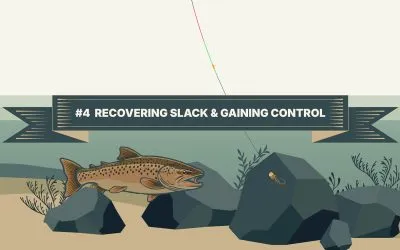
VIDEO: Recovering Slack and Gaining Control: #4 of The Nine Essential Skills for Tight Line Nymphing

VIDEO: Recovering Slack and Gaining Control: #4 of The Nine Essential Skills for Tight Line Nymphing

Many of these nine essential skills happen within the first couple seconds of the presentation — often less. And immediately after we stick the landing on the sighter (putting it in the perfect angle and height) we must begin recovering slack, to gain control of the system and keep it.

In this video, we highlight three different ways to recover slack and talk about why combining all of them is so important.

read more
VIDEO: Sticking the Landing: #3 of The Nine Essential Skills for Tight Line Nymphing

VIDEO: Sticking the Landing: #3 of The Nine Essential Skills for Tight Line Nymphing

Sticking the landing is about putting the sighter in the perfect position for a great drift. The fly hits, tippet enters, and the sighter sets up in the air at an angle. Sticking the landing puts us in immediate control and it enhances strike detection.

Tight line drifts are short, so the entry of the fly must be efficient. Line on the water takes away our control, so everything drags. But sticking the landing maximizes our control from the beginning and sets up an efficient and effective drift of the nymph.

read more
VIDEO: Turnover and the Tuck Cast: #2 of The Nine Essential Skills for Tight Line Nymphing

VIDEO: Turnover and the Tuck Cast: #2 of The Nine Essential Skills for Tight Line Nymphing

The tuck cast is at the heart of a good tight line nymphing presentation. It’s the result of good turnover in the air. It’s a simple fly-first entry. The tucks cast is not a specialized cast; it’s a one-hundred percent cast. Every time, all the time, this is how we cast a Mono Rig. No lobbing. Real casting, with control and accuracy that sets up a great drift.

read more
VIDEO: Angle and Approach: #1 of The Nine Essential Skills for Tight Line Nymphing

VIDEO: Angle and Approach: #1 of The Nine Essential Skills for Tight Line Nymphing

Success begins with how we approach the water and with the angles we choose to fish, because the tight line advantage falls apart if we’re not in the best position for great drifts.

These nine essential skills are the baseline for dead drifting nymphs with a tight line. These are the necessary fundamentals. We fish many different tactics and fly styles on a Mono Rig, tight line system, but it all starts here. These skills set the foundation for everything else that is possible.

read more

Pin It on Pinterest