Articles With the Tag . . . strategy

Q&A: When Do You Change the Streamer? (with VIDEO)

Everyone has their own method. And as long as you have a plan and a reason to change, then it’s probably just as good as mine. But I have a lot more to change about how I present the streamer before I actually clip off and change the fly . . .

Fishing With A Fever

I was there to target some of the deeper parts that offered trout adequate protection against predators, like . . . me.

The sickness kept my motions slow. My stubbornness kept the process methodical. Stay behind the fish. Target the A water. Keep moving, but do it slowly. And stay off the bottom . . .

VIDEO: Fishy Water — Fall Into Winter

Find feeding fish. Find the fishy water. These are the keys to putting trout in the net. But as the seasons change, so do the habits of trout. This film focuses on the shift between summer to fall.

Consistency on the water, day to day, requires an awareness of the shifts that take place, season to season.

Meeting trout in these times of transition takes some forethought and willingness to adapt . . .

Fishing Big Water – One Key Tip

Most anglers are tempted by big water. We fall for the trap. The river dares us to fish the far side, and it tricks us away from the things we do well.

. . . These are easy mistakes to make on big water. But discipline solves the problems. Actively planning and following through is an elusive quest with a fishing rod in hand. Most of us want to be creative. We want to follow our whims. The shady side of that boulder sure looks good, right? So why not make a few casts? Then fifteen minutes later, you’ve wasted time, energy and confidence with bad drifts and poor judgment . . .

Fishing With A Fever

Fishing With A Fever

I have a fishing report to log. As Troutbitten turned ten a few weeks ago, I revisited some history within the archives of this website. Nostalgia crept in pretty quickly, and the simple fishing reports were one of the things I promised myself to bring back. So here’s...

Fishing Big Water – One Key Tip

Fishing Big Water – One Key Tip

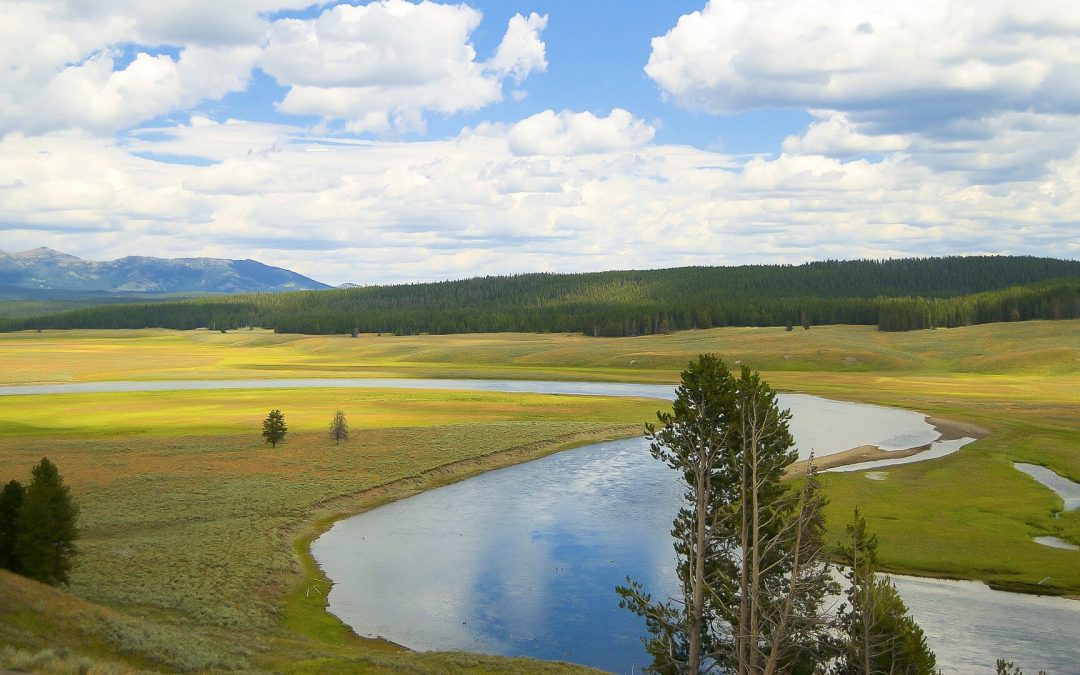
I sat in the passenger seat of Dad’s Chevy pickup, eager with anticipation after forty hours of travel. With a camper in tow, our progress through the Rockies was concluding in a final slow decent into the valley. I’ll never forget the moment I looked down on the...

How Big of an Ask?

How Big of an Ask?

Are trout opportunistic feeders? Sure, but it depends on the opportunity. We choose the fly and decide how to present it. We then pick what water will receive the cast. And to inform those decisions, it’s critical to understand what we’re asking the trout to do.

How big of an ask is it?

And how opportunistic do we expect the trout to be?

Here are a few examples . . .

read more
VIDEO: HOW You Set the Hook Matters Most! — Hook Sets for  Dry Flies, Nymphs, Streamers and Wets

VIDEO: HOW You Set the Hook Matters Most! — Hook Sets for Dry Flies, Nymphs, Streamers and Wets

This video breaks down all of the important things about hook set direction, hook set distance and hook set timing.

Setting the hooks is the most exciting part of the day. For all the time we spend planning, prepping, wading, tying, casting and drifting, it’s all in anticipation of that brief moment when a trout eats the fly. You fooled a trout. So, don’t screw it up. That’s why the hook set matters most. And planning for the hookset, thinking about how a trout might eat the fly and how we will respond, makes all the difference.

read more
VIDEO: The Dorsey Yarn Indicator —  Our Best and Most Versatile Indy Choice — Building It and Fishing It

VIDEO: The Dorsey Yarn Indicator — Our Best and Most Versatile Indy Choice — Building It and Fishing It

For over a decade, my Troutbitten friends and I have fished a small yarn indicator that weighs nothing, is extremely sensitive, versatile, cheap, doesn’t affect the cast, and flat out catches more trout than any other indicator we’ve ever used. What we call “the Dorsey” is a daily-use tool that is integral to our nymphing system. We mount it on a tight line rig or a traditional leader with fly line. It floats like crazy. It signals takes and information about the drift like no other indy we’ve ever used, and it’s an unstoppable fish catcher.

read more
Q&A: Long Drifts or Short — What’s Better and Why?

Q&A: Long Drifts or Short — What’s Better and Why?

I play the odds. I’ve seen what works best, so I repeat it the most. And I’d rather get two or three good casts against the next log for the next thirty seconds rather than just one cast to the log and twenty five seconds of stripping away from it. This is the mindset of having tight targets, of getting short and effective drifts . . .

read more

Pin It on Pinterest