Articles With the Tag . . . nymphing

Lane, Depth and Speed – What Matters Most In a Nymph Drift (VIDEO)

When a nymph disappears under the surface, it’s easy to settle for a drift that’s merely good enough . . . but we shouldn’t. Underwater currents are complex, and a convincing nymph drift depends on three things: lane, depth and speed. No matter the rig — tight line or indicator, Mono Rig or fly line — we must understand what the nymph is doing and make deliberate choices about its path. And while all three elements matter, trout are more particular about some drift qualities than others. In this video, I break down each element and rank them by importance, with one goal in mind: better dead drifts and more consistent fishing.

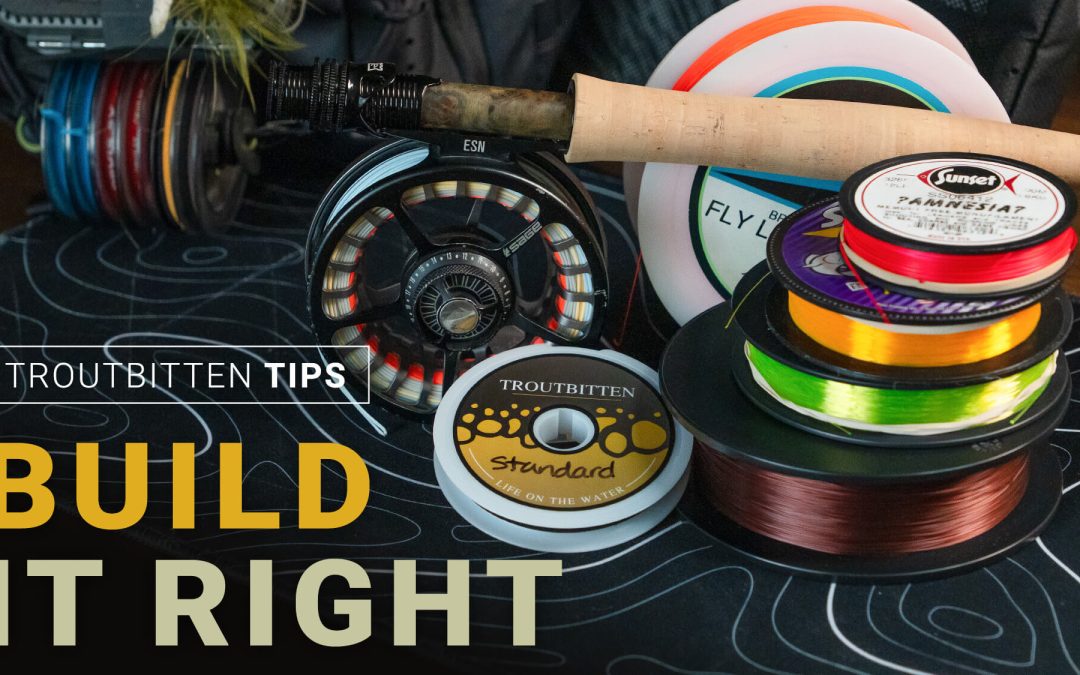
Building the Troutbitten Mono Rig – Reels, Lines, Materials, Connections and Knots (VIDEO)

For over a decade, I’ve written and talked about fishing a Mono Rig for all underwater presentations — nymphs with and without an indicator, with and without split shot, dry dropper, streamers of all shapes and sizes and even pure dry flies.

I’ve detailed the formulas for my favorite leaders in many places, but I’ve never put everything together from the ground up. This video answers the most frequent questions about reels, fly lines, leader connections, materials and knots. No matter what tight line leader you choose to build, the principles shown here apply.

Fishing With Visible Flies — Learning From What You Can See (VIDEO)

Seeing the fly is one of the most enjoyable aspects of fishing. But there’s a world of education inherent, too. Watch the fly dance and fall as it mixes with the currents. Notice how it responds to rod tip animation and line strips. Then see a trout materialize around the fly and judge its reaction. Visible flies are teachers. Whether dries, wets, nymphs or streamers, watching the fly helps us refine the techniques that catch fish.

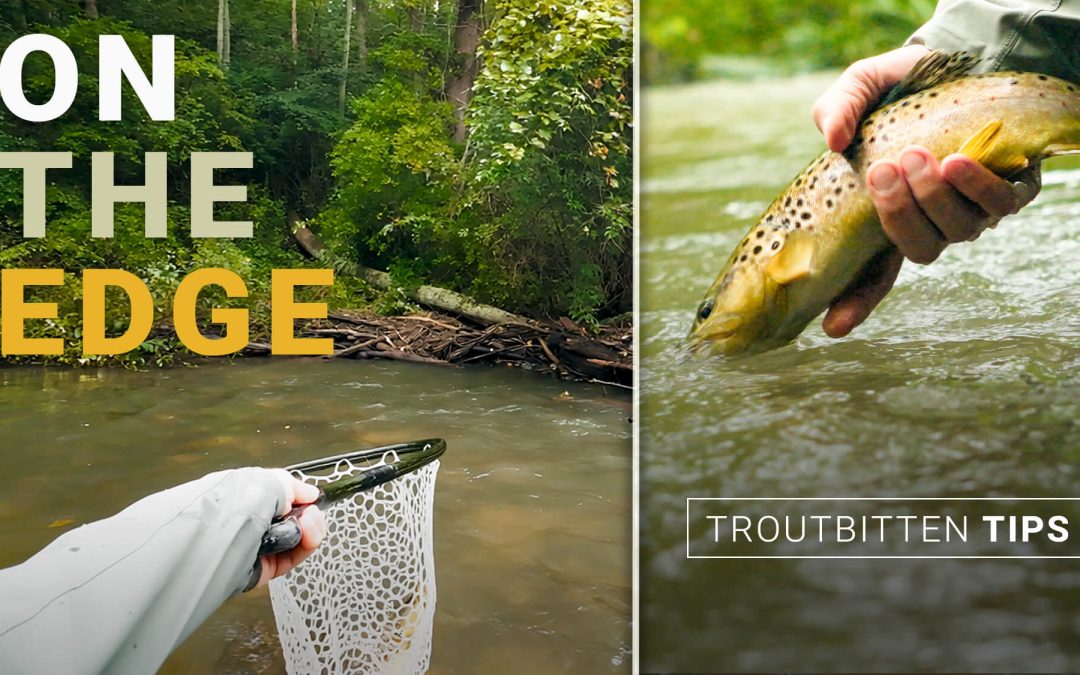
Fishing the Edges (VIDEO)

Here are specific strategies for targeting edge water, with footage from two trips — one on small water and one on a larger river. I fish nymphs and streamers, changing frequently to suit the conditions.

Nymphs On the Drop (VIDEO)

Nymphs On the Drop (VIDEO)

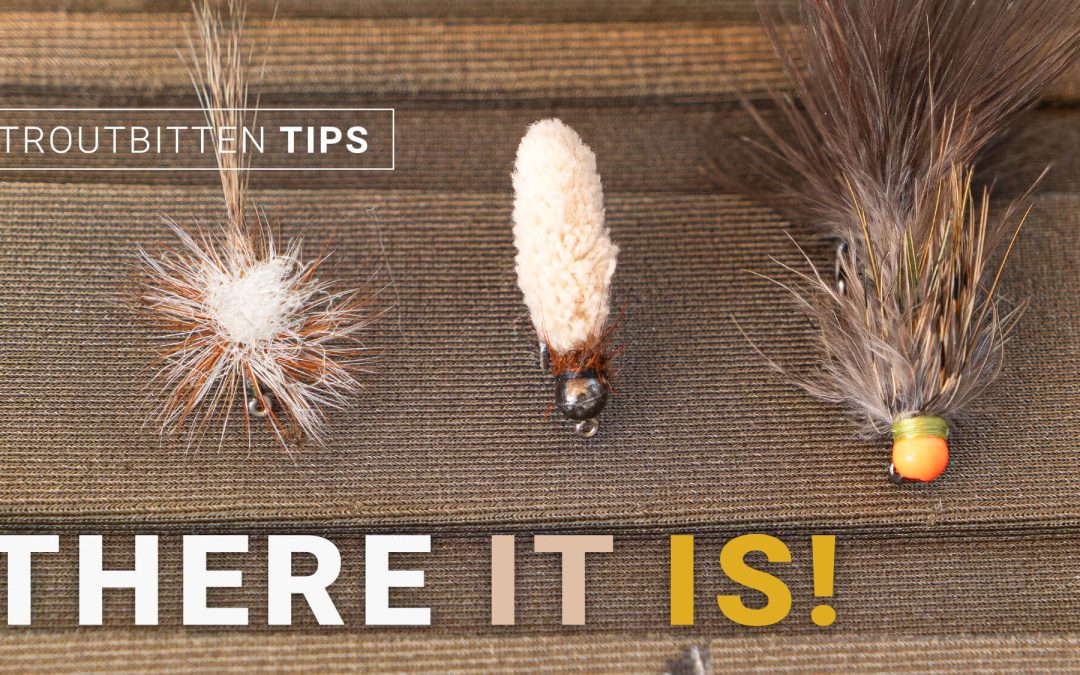
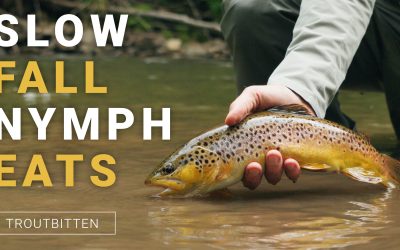
Sometimes, trout eat nymphs on the drop — as the fly is falling or fluttering to the bottom. And when we recognize that, it’s time to make some adjustments to our rig, the presentation and even the water we choose to fish.

This video shows how I fish for trout when their focus for nymphs is out of the strike zone and above them. I cover tracking the flies, floating the sighter, longer casts, power curves, tuck casts, slack to the nymph, strike detection and more. And I walk through all of this while fishing through a favorite section of river.

read more
Fishing Report — Back to Basics

Fishing Report — Back to Basics

. . . When the act of fishing becomes something I can really put my finger on to say “Here’s how they’re eating,” I can take that experience into the future, pulling it out to solve a mystery a decade later. The trout hit where they should and how they should, until it became nearly predictable. The casting felt effortless . . . and it felt like home. Anyone who thinks nymphing is inelegant or clunky has not fished this way.

read more
Tight Line Dry Dropper and Fishing the “Y” (with VIDEO)

Tight Line Dry Dropper and Fishing the “Y” (with VIDEO)

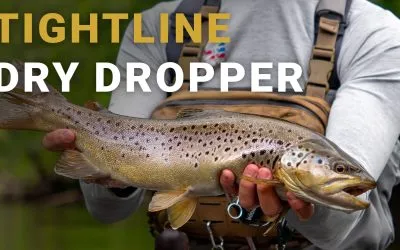
There’s a lot to be done with this system — many different ways to fish, with presentations that go far beyond what is commonly shown and talked about. This is not Euro dry dropper. And we’re not fishing within the constraints of rules and regulations that stem from the competition scene.

Instead, by taking a broad look at what’s possible with a tight line dry dropper approach, fly choice, leader design, weight position and rigging methods all open up into a set of tactics that are more fun and lead to more trout at the end of the line.

read more
RIVERSIDE (Video and Podcast): Are Light Nymphs More Effective? Is Less Weight More Natural?

RIVERSIDE (Video and Podcast): Are Light Nymphs More Effective? Is Less Weight More Natural?

What’s the nymph really doing under there? How is it affected by the currents? And is the attached tippet dragging the fly unnaturally across, over, up or out of the natural, one-seam drift that our picky trout are waiting for? the current trend for lighter flies and lighter tackle has taken a strong foothold. But just a few years ago, the concept of anchor flies was driving weighty considerations in the opposite direction.

read more

Pin It on Pinterest