Is it better to focus on the tactics and techniques, or is it better to learn the river itself?
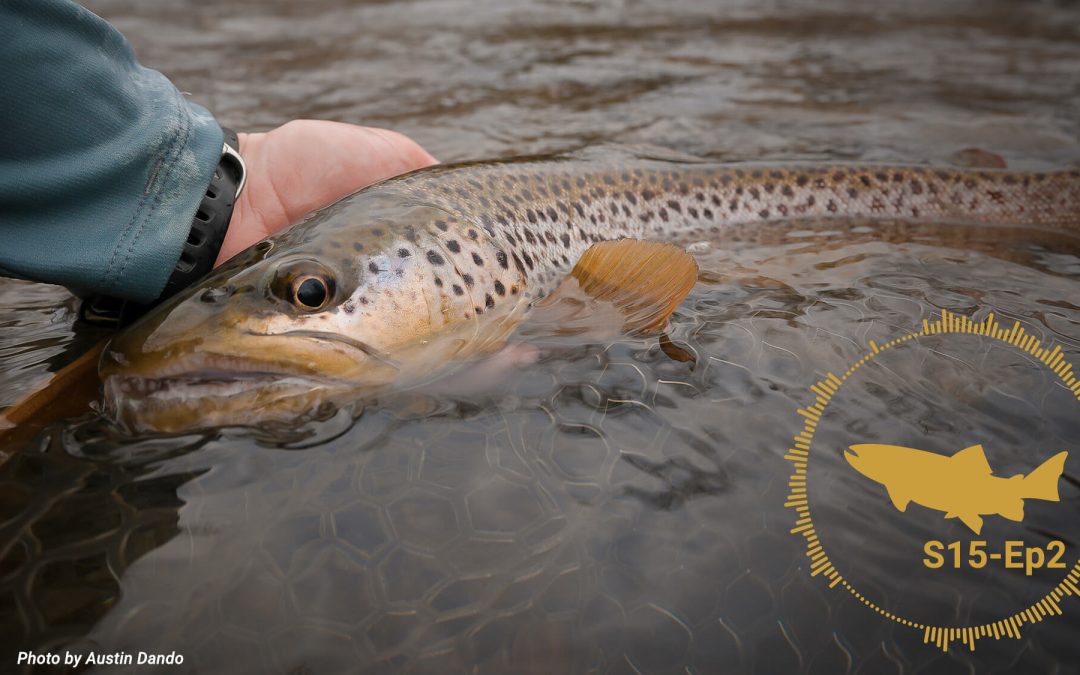


Is it better to focus on the tactics and techniques, or is it better to learn the river itself?
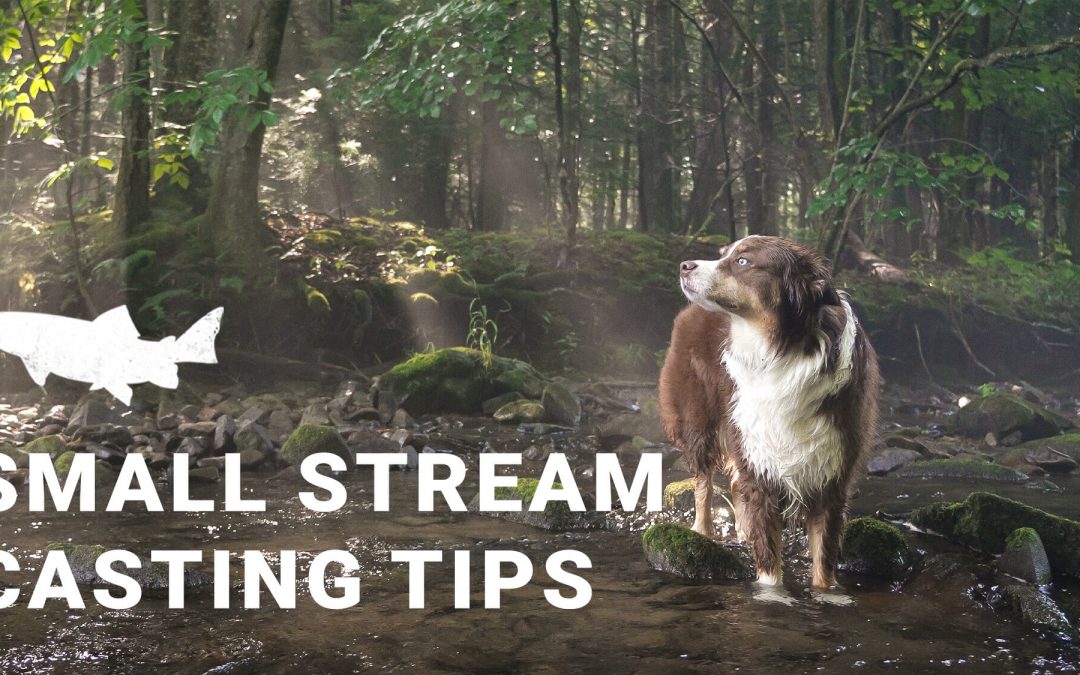
With all the right tools of rod, line, and leader, with all the knowledge about casting options, and with serious dedication to line speed, you need just one more thing.
Guts. Courage. Fortitude.
A willingness to fail.
Take your shots. That’s the only way toward a real education on small streams. Make the casts you think you can’t make. Eventually, instinct takes over and the fly goes into tighter targets than you ever thought possible . . .
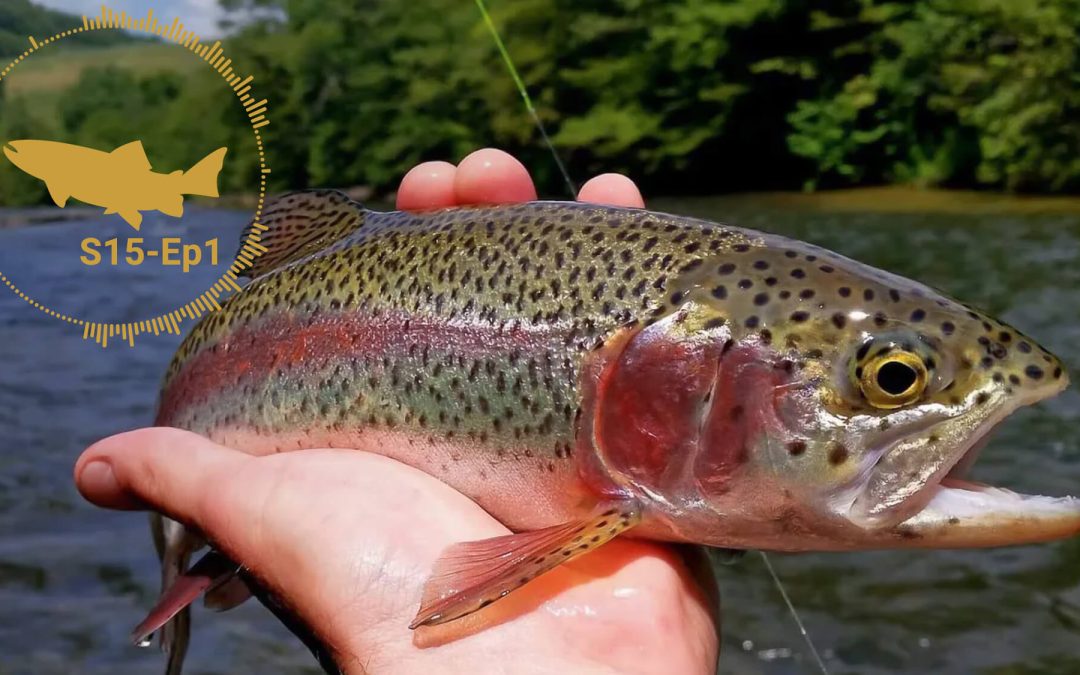
Troutbitten has always been primarily focused on fishing for wild trout. But let’s talk about water selection, patterns, strategies, and the things that make fishing for stocked trout different. Here’s what changes from targeting wild trout.

When we learn to find contact and read the sighter, we’re no longer guessing about where the flies are. We know where they are, and we control where they’ll go next.
With a tight line rig, we’re no longer hoping something will happen. We’re making it happen. And that knowledge really l begins with finding contact and reading the sighter.

The river doesn’t owe you anything. It’s been here for millennia. It has bent and grown, widened and shaped the surrounding mountains and carved the bedrock beneath. It will outlast you and everyone who carries your name hereafter. The river is a rolling time machine, carrying a history of the earth, the evolution of life, and yes, even the stories of fishermen . . .

What’s your favorite fly rod? This most frequently asked question now has its answer in the Troutbitten Riverside Video Series, where I discuss all the qualities to look for in a rod well suited for the Mono Rig: accuracy, power, length, recovery and more.
Some anglers are built for travel. They’re addicted to the road. They’re inspired by the newness of another town and the next river. Traveling can become a passion equal to fishing, where the next fishing trip becomes the motivation to board a plane or turn the tires down a new path.

If you’re committed to working a section of river, then once you’ve done your job in one lane, trust what the trout tell you. Don’t re-fish it, and don’t let the next cast drift down into the same spot again either. Sure the water looks good, and that’s why you fished it in the first place. But you’ve already covered it. So let it go, and focus on the next target. Trust the next opportunity . . .
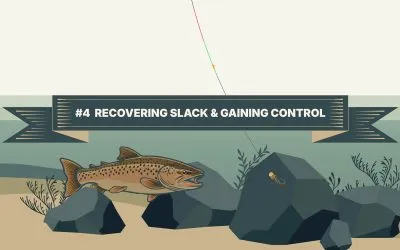
Many of these nine essential skills happen within the first couple seconds of the presentation — often less. And immediately after we stick the landing on the sighter (putting it in the perfect angle and height) we must begin recovering slack, to gain control of the system and keep it.
In this video, we highlight three different ways to recover slack and talk about why combining all of them is so important.