A good sighter is highly visible and responsive. We use it not just for strike detection. It also tells us how and where the flies are drifting under the surface. But how high should it be above the water?
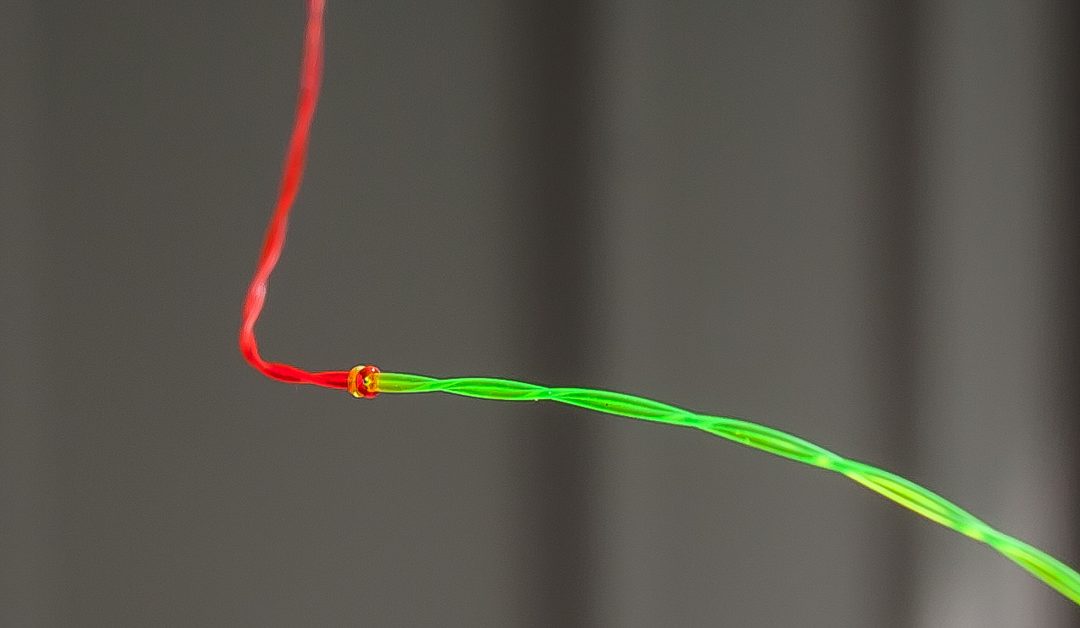


A good sighter is highly visible and responsive. We use it not just for strike detection. It also tells us how and where the flies are drifting under the surface. But how high should it be above the water?

I stood next to him on the bank, and I watched my uncle kneel in the cold riffle. Water nearly crested the tops of his hip waders while he adjusted and settled next to the flat sandstone rock that lay between us. He pulled out the Case pocket knife again, as he’d done every other time that I’d watched this fascinating process as a young boy.
“Hand me the biggest one,” my uncle said, with his arm outstretched and his palm up.
So I looked deep into my thick canvas creel for the first trout I’d caught that morning. Five trout lay in the damp creel. I’d rapped each of them on the skull after beaching them on the bank, right between the eyes, just as I’d been taught — putting a clean end to a trout’s life. I handed the rainbow trout to my uncle and smiled with enthusiasm . . .

It’s time for the fish commission to truly protect, preserve and enhance our wild trout streams, whether that is easy, or whether it’s hard. Stop stocking over all Class A wild trout stream sections.
It’s the right thing to do. And sometimes, that’s where government policy should start . . .

There are two types of people who will front-end you on the river: the rookie who honestly and innocently doesn’t understand on-stream protocol and the guy who knows exactly what he’s doing but doesn’t care, so he front-ends you anyway.
Pity the first type and forgive them. The second type are despicable bastards, and no amount of reasoning, arguing, cursing or pleading is going to change their behavior. If you encounter the second guy, just walk away. If he’s bold enough to cut you off intentionally, then he’s bold enough to stand his ground no matter what reasonable sense you try to make . . .

Last night, I slumped back in my chair and away from the tying desk. It’s lit like an operating room. With three hi-wattage beams shining on one very small object from left, right and center, my eyes don’t miss much. Combine that with 2X-power readers and some steady hands, and I can turn out well crafted flies as small as you like. I have no trouble inserting details into a fly, but I’ve never approached fly tying with that kind of goal anyway.
Like most good fly tyers who are better fishermen, I learned long ago that realism in a fly is one thing to a trout and another thing to a fisherman. So I scrapped that bias and whittled my patterns down to the elements that I believe attract fish. My guiding theory on fly design is that trout are looking for a reason not to eat my fly. So I limit materials only to what’s necessary. Nothing more.
Hare’s Ear is one of those materials. Here’s why . . .

Most sports have a set of unwritten rules, generally agreed upon by those in the know. But the trouble with the unwritten rules of fly fishing is that many newcomers aren’t aware of them, and it might take seasons of error before realizing that you were pissing everyone else off while wading downstream into the upstream guys.

When fishing dries, the cautious angler has many chances to fool a rising trout. Start behind the trout at the back door. Next move over and try the side door, beside the trout. Then try going right down the middle and through the front door.
Making consecutive casts with a dry fly produces often enough to believe that the next cast will seal the deal. But there’s a lot more to it . . .