Today's article is a remix from the archives. You can find it here: What Water Type? What Are They Eating? Enjoy the day. Domenick Swentosky T R O U T B I T T E N domenick@troutbitten.com


Today's article is a remix from the archives. You can find it here: What Water Type? What Are They Eating? Enjoy the day. Domenick Swentosky T R O U T B I T T E N domenick@troutbitten.com
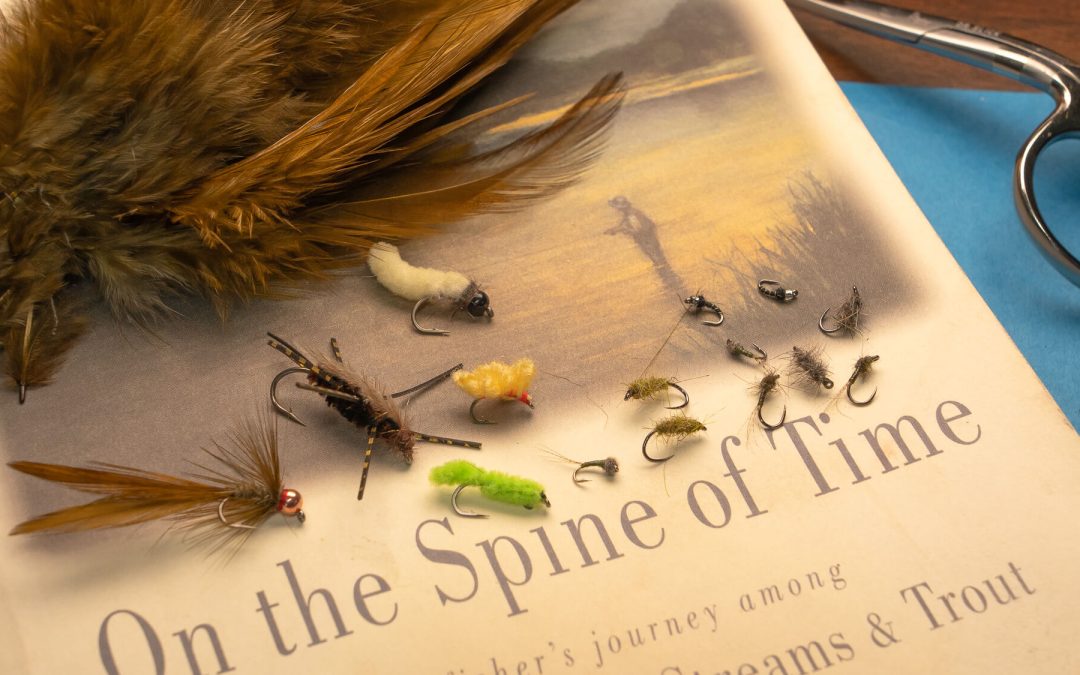
Multi-fly rigs are more common and varied in the community than ever. Dry-dropper, two streamers, a streamer/nymph combo, two nymphs or even two dries are favored setups for many anglers. Likewise the methods for rigging these multi-fly rigs are diverse too, and the...
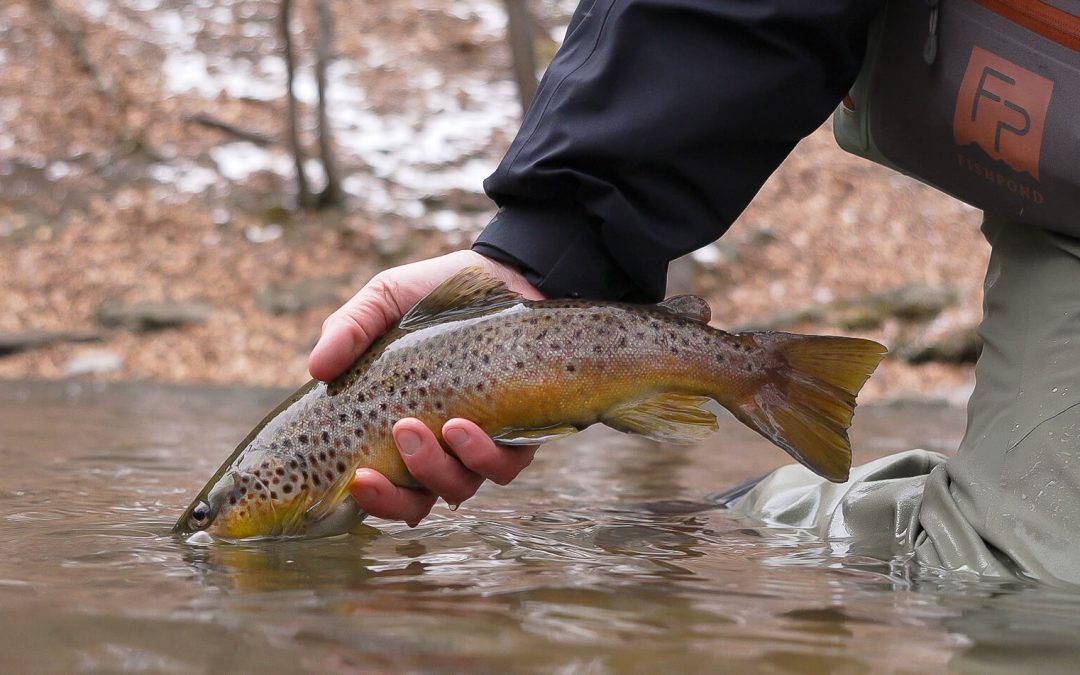
Long ago, the Troutbitten crew had a private forum where we exchanged ideas and stories every day. At the heart of those stories were the fishing reports. We fished hard, and we fished often. Those reports contained the details. Most times, it was nothing but the...

** The Q&A series on Troutbitten is an effort to answer some of the most common questions I receive. The latest question and answer, along with a Riverside video reading of this article, appears below. ** I’ve fished more streamers-only trips in the last few...

I was there to target some of the deeper parts that offered trout adequate protection against predators, like . . . me.
The sickness kept my motions slow. My stubbornness kept the process methodical. Stay behind the fish. Target the A water. Keep moving, but do it slowly. And stay off the bottom . . .
Find feeding fish. Find the fishy water. These are the keys to putting trout in the net. But as the seasons change, so do the habits of trout. This film focuses on the shift between summer to fall.
Consistency on the water, day to day, requires an awareness of the shifts that take place, season to season.
Meeting trout in these times of transition takes some forethought and willingness to adapt . . .

Most anglers are tempted by big water. We fall for the trap. The river dares us to fish the far side, and it tricks us away from the things we do well.
. . . These are easy mistakes to make on big water. But discipline solves the problems. Actively planning and following through is an elusive quest with a fishing rod in hand. Most of us want to be creative. We want to follow our whims. The shady side of that boulder sure looks good, right? So why not make a few casts? Then fifteen minutes later, you’ve wasted time, energy and confidence with bad drifts and poor judgment . . .

Find feeding fish. Find the fishy water. These are the keys to putting trout in the net. But as the seasons change, so do the habits of trout. This film focuses on the shift between summer to fall.
Consistency on the water, day to day, requires an awareness of the shifts that take place, season to season.
Meeting trout in these times of transition takes some forethought and willingness to adapt . . .

The Lagging Curve is a beautiful way to provide slack to a dry fly, and it’s my favorite way to get perfect dead drifts to a dry fly in rivers. I fish a lagging curve at just about any angle, using both a forehand and backhand cast, and it provides slack to a dry fly for days.
The lagging curve is really the opposite of what most people mean by a curve cast. This is an underpowered curve and not a power curve.
The leader design matters a lot, and so does the casting stroke. I cover it all in the video . . .

My friends and I don’t go fishing with our mind set on a certain tactic. We let the trout make those decisions, and we’re ready for anything. The Troutbitten Standard Mono Rig is the perfect tool for such an approach.
. . . It’s a versatile tool. It’s a hybrid system. And to maximize those options, simple adjustments are necessary. This video shows those adjustments in detail . . .