Articles in the Category Videos

Don’t Be Afraid of the Bottom (VIDEO)

With a nymph, most trout are caught near the bottom. That’s not a surprise. Most of the good things in a river happen near the riverbed. That’s where the bugs and baitfish live. And nothing solves the problems of nymphing better than getting lower for longer.

What Is the Troutbitten Project? (VIDEO)

Give me a few minutes to tell you about the Troutbitten Project. This endeavor has taken roots and grown branches. Troutbitten has grown into a large independent media company, with 850+ articles, 200+ podcasts and 120+ videos. It’s also a guide service, and there’s a Troutbitten Shop.

Here’s a quick look at where we’ve come from and where we’re going . . .

The Hook Set and Go (VIDEO)

I use a ten-inch hook set — fast not far — at the end of every drift. And I use this for all underwater presentations. This is not just about setting the hook. Instead, this simple motion — this quick lift up and over — gets the fly activated. It releases surface tension and gets the fly moving, preparing it for the backcast.

My Streamer Approach (VIDEO)

I’d like to show you my basic steamer approach. There are a lot of animations that I give to a streamer — a lot of looks. And I use plenty of different fly patterns too. I have my favorite leader and even my favorite water types. But there are a few things that I think are more important than any of that.

So let’s get to the basics. I’ll show you some of the guiding principles for how I fish streamers. Some of this is a little different — not exactly mainstream.

Fish and Film – Skinny Water Nymphing (VIDEO)

Fish and Film – Skinny Water Nymphing (VIDEO)

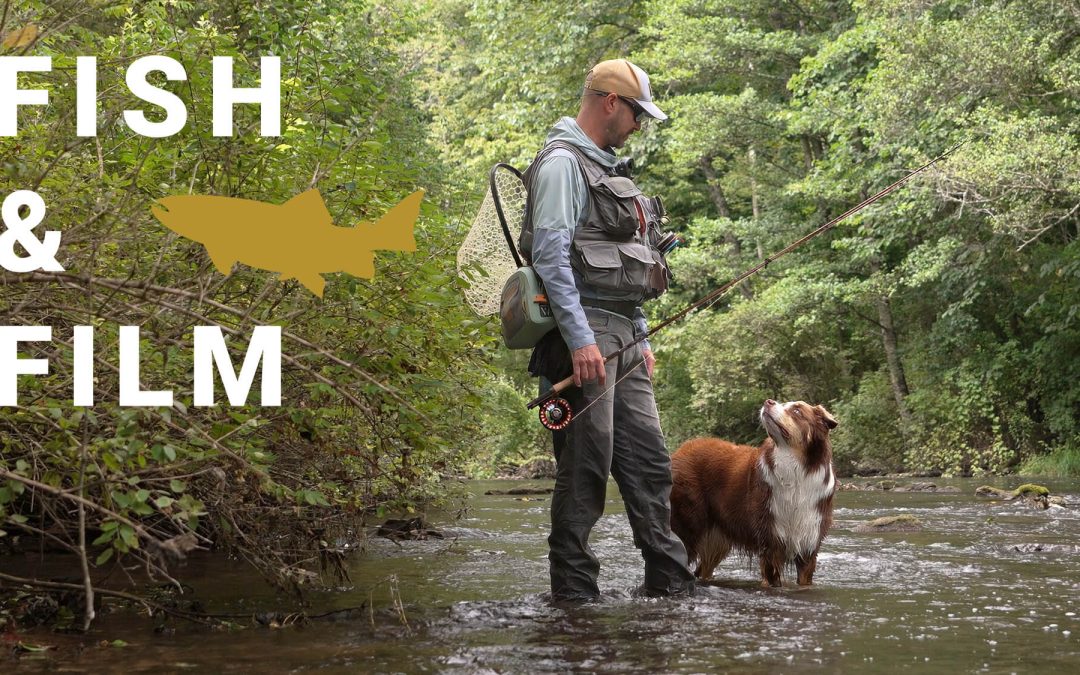
Fishing is a story . . . During some of the lowest water I’ve seen in our area, I chose to nymph the skinny stuff on a tight line. But instead of fishing fine and far off, I started with a drop shot of medium weight. Later, I mixed in a tracking approach with a single, light nymph. A couple hours in, I streamer fished a long flat, to test the trout’s response. And I finished the morning with some nice trout that responded to nymphs in the strike zone . . .

Fish and Film – Home Base (VIDEO)

Fish and Film – Home Base (VIDEO)

Fishing is a story . . . I’ve fished all of my favorite rivers from their mouths to their headwaters. And within those mile of opportunity, my favored spots keep calling me back. I fish these places for a hard reset, for a return to home base — for getting back to the familiar by seeing what has changed.

Fish and Film – Post Cicada Blues (STORY & VIDEO)

Fish and Film – Post Cicada Blues (STORY & VIDEO)

I fished hard. I fished enough that I was almost satisfied . . . until the next morning. I walked and waded nearly a hundred river miles in those six weeks. I caught about eight-hundred trout, fished just one pattern, went through two dozen cicadas and never tied on another fly . . . until today.

Because it really is over.

I’ll miss the simplicity of shirt pocket fishing. I’ll miss facing off with some of the best and wisest trout in these rivers, day after day. I’ll miss the confidence in fly selection, knowing exactly what fly to use, all day long. And I’ll miss watching our selective, cautious wild brown trout turn into sharks for a two-inch top water fly.

And I’ll do it again . . . in seventeen years.

VIDEO: Finding Contact and Reading the Sighter: #5 of The Nine Essential Skills for Tight Line Nymphing

VIDEO: Finding Contact and Reading the Sighter: #5 of The Nine Essential Skills for Tight Line Nymphing

When we learn to find contact and read the sighter, we’re no longer guessing about where the flies are. We know where they are, and we control where they’ll go next.

With a tight line rig, we’re no longer hoping something will happen. We’re making it happen. And that knowledge really l begins with finding contact and reading the sighter.

read more
VIDEO: Recovering Slack and Gaining Control: #4 of The Nine Essential Skills for Tight Line Nymphing

VIDEO: Recovering Slack and Gaining Control: #4 of The Nine Essential Skills for Tight Line Nymphing

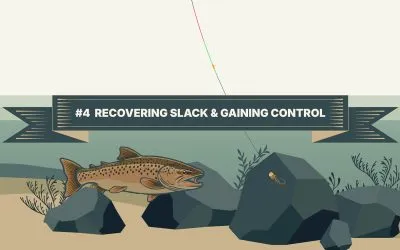
Many of these nine essential skills happen within the first couple seconds of the presentation — often less. And immediately after we stick the landing on the sighter (putting it in the perfect angle and height) we must begin recovering slack, to gain control of the system and keep it.

In this video, we highlight three different ways to recover slack and talk about why combining all of them is so important.

read more
VIDEO: Sticking the Landing: #3 of The Nine Essential Skills for Tight Line Nymphing

VIDEO: Sticking the Landing: #3 of The Nine Essential Skills for Tight Line Nymphing

Sticking the landing is about putting the sighter in the perfect position for a great drift. The fly hits, tippet enters, and the sighter sets up in the air at an angle. Sticking the landing puts us in immediate control and it enhances strike detection.

Tight line drifts are short, so the entry of the fly must be efficient. Line on the water takes away our control, so everything drags. But sticking the landing maximizes our control from the beginning and sets up an efficient and effective drift of the nymph.

read more

Pin It on Pinterest