A handful of strict competition rules have been passed on to the whole nymphing community. And maybe that’s not such a good thing.


A handful of strict competition rules have been passed on to the whole nymphing community. And maybe that’s not such a good thing.
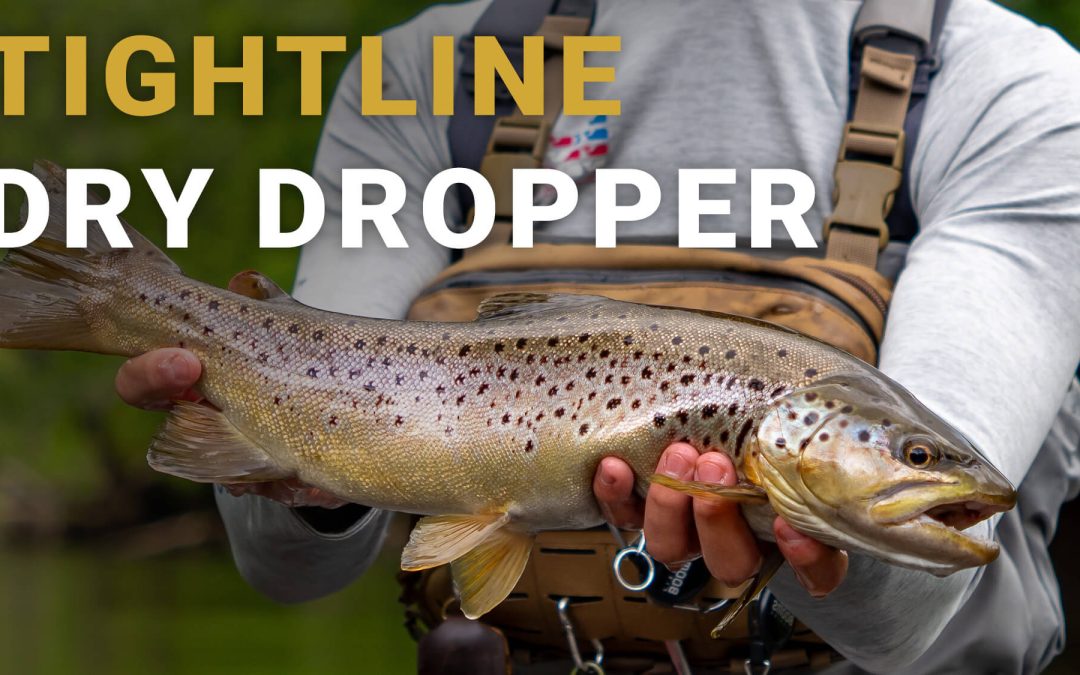
There’s a lot to be done with this system — many different ways to fish, with presentations that go far beyond what is commonly shown and talked about. This is not Euro dry dropper. And we’re not fishing within the constraints of rules and regulations that stem from the competition scene.
Instead, by taking a broad look at what’s possible with a tight line dry dropper approach, fly choice, leader design, weight position and rigging methods all open up into a set of tactics that are more fun and lead to more trout at the end of the line.

Lots of laughs, great scenery, a good bobber hole, a few bows and some brown trout. This is Troutbitten Fish With Friends #5.

Friendship, good times, trout caught and a few missed, Green Drakes, some technical talk and endless scenery. This is Troutbitten Fish With Friends #4.
What’s the nymph really doing under there? How is it affected by the currents? And is the attached tippet dragging the fly unnaturally across, over, up or out of the natural, one-seam drift that our picky trout are waiting for? the current trend for lighter flies and lighter tackle has taken a strong foothold. But just a few years ago, the concept of anchor flies was driving weighty considerations in the opposite direction.
At what angle should we set the sighter? Should it be vertical? Should it be at a 45? Should it be flatter? And should it stay the same throughout the drift or should it change? While tight line or euro nymphing, you can get excellent dead drifts with any sighter angle if you’re attentive to the details and understand the strengths of all angles. There is no better leading angle. It’s a choice based on preference, skill, objectives and river conditions.
Fly fishing or gear fishing? What are the strengths and weaknesses of both systems? This video is about what is possible and what is impossible. It is NOT about what is better. This is an attempt to put a real world perspective on some misunderstandings and common claims.

If you’re landing net is in need of repair, good for you. That means you’ve probably fished a lot. Sometimes the net bag can be repaired. Other times the bag needs to be replaced. Both are covered in this video, along with the parts list for string choices, the needle and the net bag.

Buggy flies, guide flies, confidence flies: Fur nymphs are all of that. A fur nymph looks alive, and it’s not overdone. It’s just fur on a hook. These flies aren’t very exciting to look at. The material list is slim. And there’s not much to know about tying them. Anglers may be bored with the spartan form, but trout respond to the simplicity. And there’s a lot of inherent attraction in a fur nymph, with very little to turn a trout off.
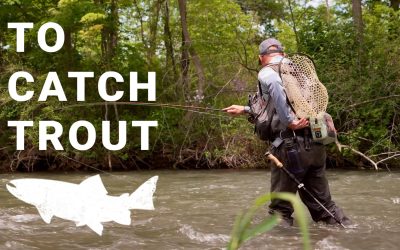
A lot goes into a good fishing trip. It’s a flexible framework of pieces and parts mixed in with a little fortuitous intuition. That first trout to the net is rarely luck. And when you start to lose count of how many fish have come to hand, you can be sure that luck has had very little to do with it.
The overarching principles of how to catch a trout — the headers of the outline — are these: Find Trout, Don’t spook them, have a solid presentation, choose a reasonable pattern, and fight fish fast . . .
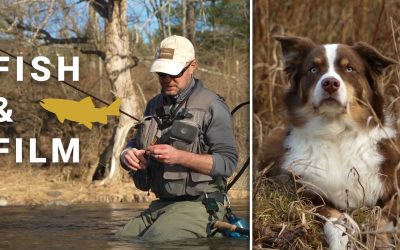
Fishing is a story . . . On a warm winter day, I fished the buckets, because that’s where the trout were. Stick and move. That’s the game of shooting fish in a barrel.