Fishing is a story . . . On a warm winter day, I fished the buckets, because that’s where the trout were. Stick and move. That’s the game of shooting fish in a barrel.
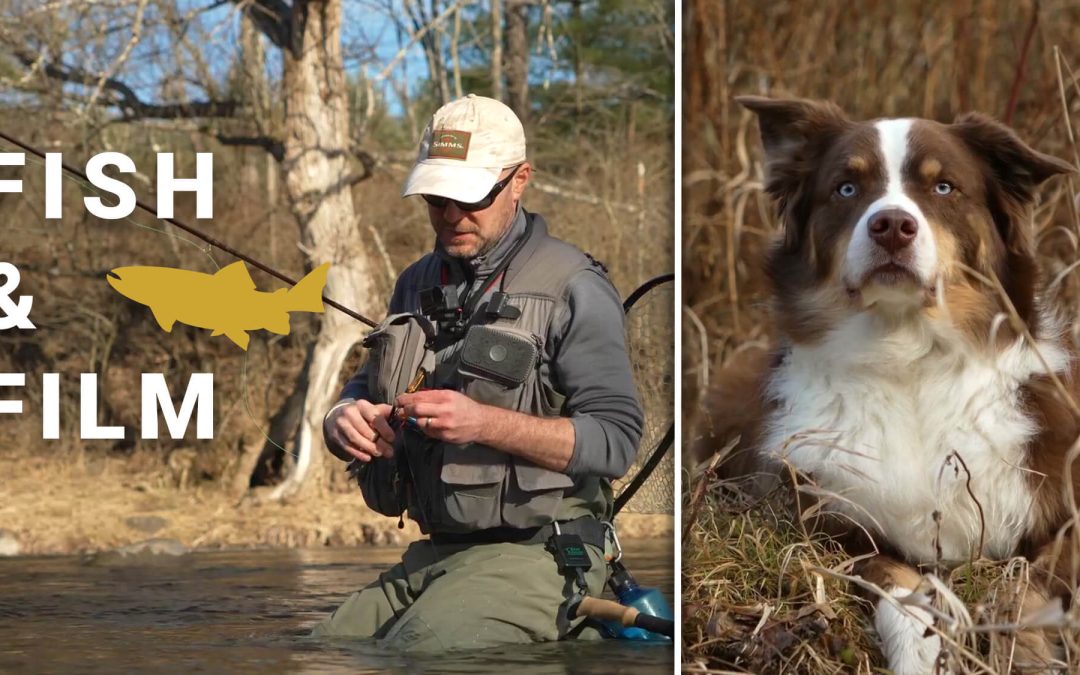


Fishing is a story . . . On a warm winter day, I fished the buckets, because that’s where the trout were. Stick and move. That’s the game of shooting fish in a barrel.
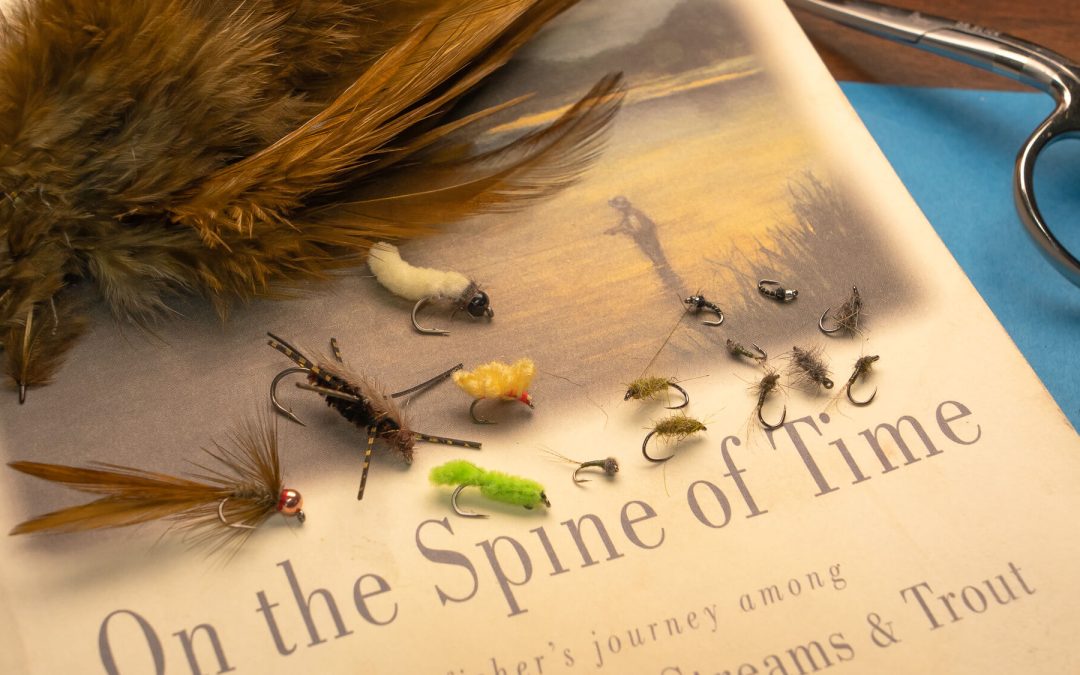
We’re told that selective trout eat smaller flies. And I’m convinced that the most pressured trout prefer more natural patterns too. But how can our small non-descript nymph, with no adornments or flashy attractions, possibly stand out enough to convince a trout? How can we make a simple, small fly stand out? Put bait in front of it . . .
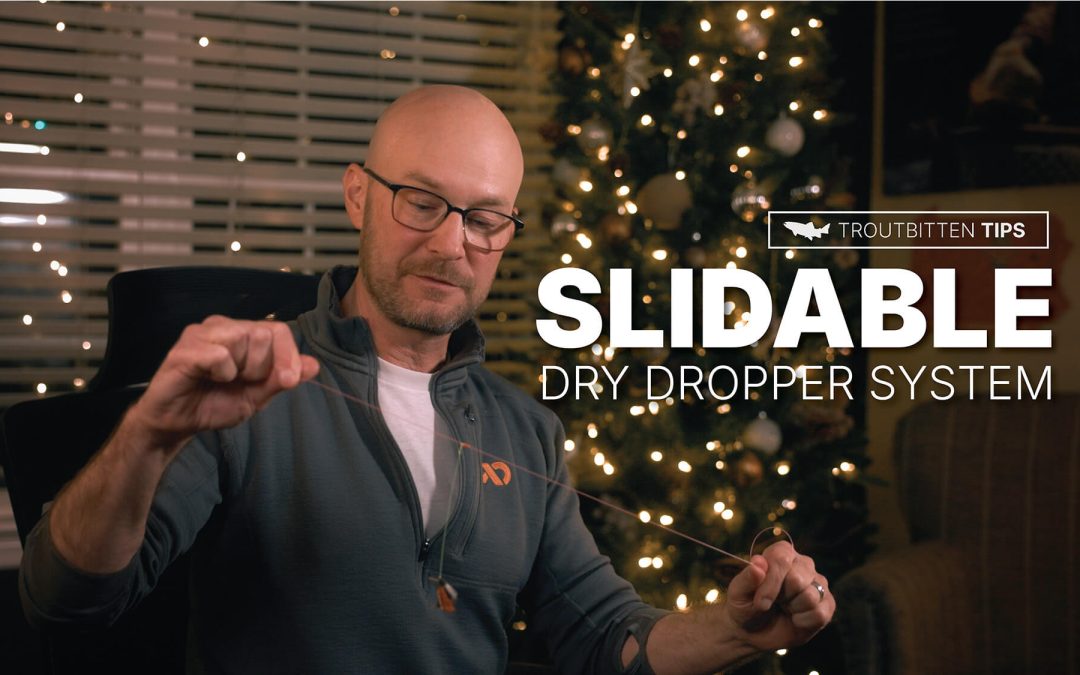
My friend once described a truly slidable dry dropper system as the Holy Grail of fly fishing. For sure, the ability to slide the dry fly to adjust for depth opens up all the possibilities of a dry dropper system. But it has to slide quickly. It has to be easy. And the slidable system cannot take away the finesse of the dry fly.
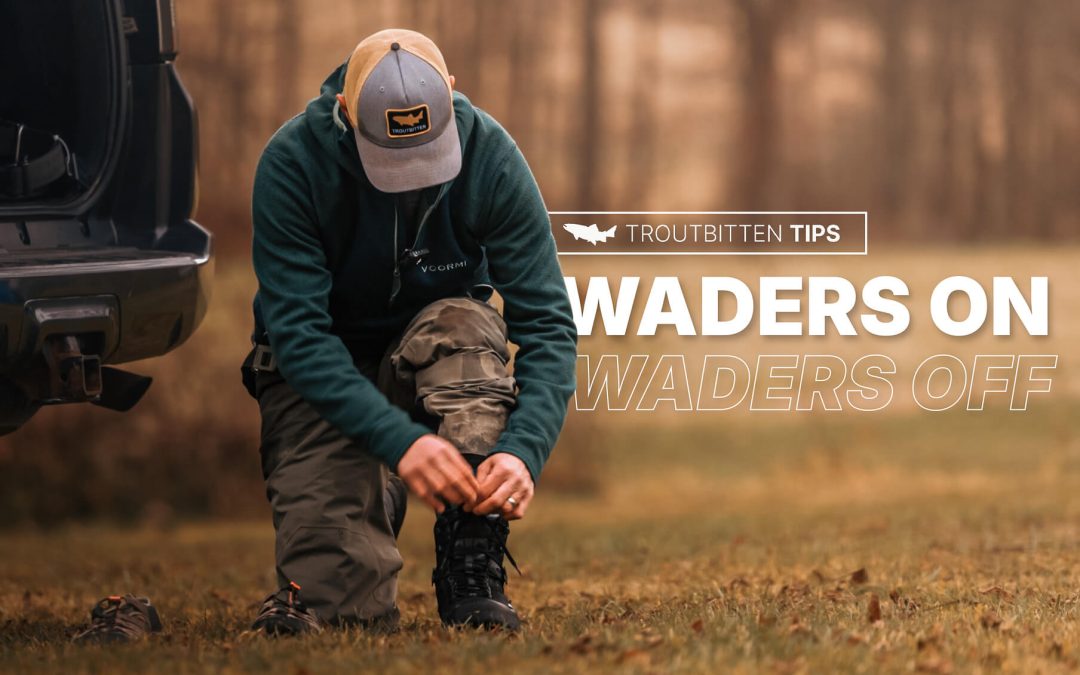
Most anglers hate wasting their fishing time. So, what we do at the vehicle at the beginning and the end of the day matters. Waders on — waders off.
Having a routine and a system that works efficiently saves time. Likewise, boot storage and rod/reel prep goes a long way toward minimizing wasted time and getting us closer to the next cast.

Fishing is a story . . . During some of the lowest water I’ve seen in our area, I chose to nymph the skinny stuff on a tight line. But instead of fishing fine and far off, I started with a drop shot of medium weight. Later, I mixed in a tracking approach with a single, light nymph. A couple hours in, I streamer fished a long flat, to test the trout’s response. And I finished the morning with some nice trout that responded to nymphs in the strike zone . . .
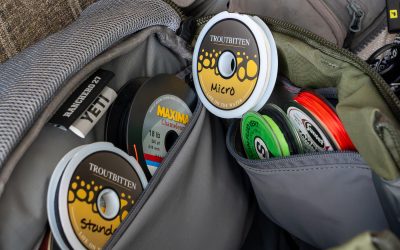
You can fish tight line to the indicator style with a Micro Mono Rig instead of a Standard, but here’s what you’ll be giving up. Here’s what you’re losing . . .
. . . It all starts with a good understanding of the Mono Rig as a HYBRID system. The Standard Mono Rig casts and mends like a fly line, so we use the most unique advantage of fly fishing, introducing slack in the best places . . .

Late summer trout fishing in the Northeast can be challenging. But I’ve had good mornings by choosing cold water and staying open minded to the trout’s patterns and habits. Surprisingly, the best fishing has been found in deep, slow water that still has flow. The dry fly bite has been off, but the nymph fishing has been excellent.
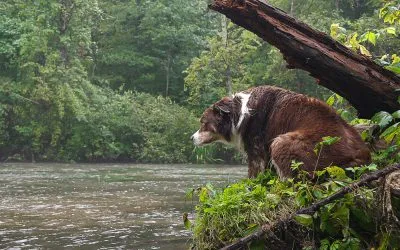
Much like a musician might play the same song Largo or Allegro, an angler can fish methodically, even and calm, or he can fish the same meandering series of undercuts with earnest intensity, cutting through water at twice the pace and delivering the fly with acute precision.
Both have their beauty. Elegance is found in either approach, if an angler is on their mark.

Be willing to adjust. Enjoy the process. If you have the intuition that lengthening the 2X section by a foot would allow you to lay the leader exactly how you want it, then make the change. Test your thoughts, and develop the confidence to fish perfect drag free drifts with any size of dry fly.

I fished hard. I fished enough that I was almost satisfied . . . until the next morning. I walked and waded nearly a hundred river miles in those six weeks. I caught about eight-hundred trout, fished just one pattern, went through two dozen cicadas and never tied on another fly . . . until today.
Because it really is over.
I’ll miss the simplicity of shirt pocket fishing. I’ll miss facing off with some of the best and wisest trout in these rivers, day after day. I’ll miss the confidence in fly selection, knowing exactly what fly to use, all day long. And I’ll miss watching our selective, cautious wild brown trout turn into sharks for a two-inch top water fly.
And I’ll do it again . . . in seventeen years.

Some very common ways of doing things out there are just wrong, in the sense that doing it that way hurts the angler’s effectiveness. There are a few of these bad habits that stand out to me every day.
Hanging your arms out there is the worst of them.
When casting, drifting, stripping, hook setting and fighting fish, the arms should be in, with the elbows in a natural position. Think of it as your fighting stance. It’s an athletic position, your baseline posture, and you’re read for anything. Arms extended is a bad way to spend any day. It limits your range of motion, changes your reaction time and put’s you in a tough spot to land a fish.